Keeping your Shark canister vacuum clean isn’t just about emptying the dust cup. It’s a full-system process that protects your investment and ensures peak performance. A well-maintained vacuum maintains strong suction, extends its lifespan, and keeps your air cleaner. For this project, having the right tools helps. Many professionals recommend using the PetOde 2 Pieces cleaning brush set, which is perfect for detailed work on filters and hard-to-reach areas.
This guide walks you through the entire process, from basic steps to deeper maintenance. You’ll learn how to clean every key component, troubleshoot common problems, and establish a schedule that works. Let’s get your vacuum running like new.

Introduction to Shark Canister Vacuum Maintenance
Shark vacuums are known for their powerful cyclonic technology and sealed systems with HEPA filters. This design is excellent for trapping dust and allergens, but it requires consistent care. Unlike simpler bagless uprights or set-and-forget robot vacuums, a canister model has more parts that need attention. Regular maintenance prevents clogs, preserves motor life, and is the key to solving most shark vacuum troubleshooting issues, like loss of suction.
Before you start, always unplug the vacuum. Check your specific model’s manual (often downloadable from the official Shark support site) for any unique disassembly steps. Pay close attention to warranty details; improper cleaning can sometimes void coverage, especially if you damage a sealed filter system.
Step-by-Step Canister Disassembly Guide
Start by placing the vacuum on a clean, flat surface. You’ll systematically take it apart to access all cleanable parts.
1. Emptying the Dust Cup
Locate the dust cup on the main canister body. Press the release button or lever to detach it. Hold it over a trash bin and open the bottom latch. Tap it gently to dislodge fine dust. For a deeper clean, you can rinse the empty dust cup with water, but it must be completely dry before reassembly. Air drying for 24 hours is best.
2. Detaching the Hose and Wand
Unhook the hose from both the canister and the wand. Look through the hose toward a light source to check for blockages. Common culprits are hair, large debris, or small objects. The wand usually separates into two pieces; detach them and check each tube for obstructions.
3. Accessing the Filters and Inner Chamber
With the dust cup removed, you’ll see the filter housing. This typically contains a foam pre-motor filter and the main HEPA filter. Carefully remove them according to your model’s instructions. Some twist out, others lift straight up. This is the core of your shark vacuum maintenance routine.
Detailed Filter Cleaning & Replacement
Filters are the lungs of your vacuum. Cleaning them correctly is non-negotiable for performance.
Cleaning the Washable Filters
Most Shark models have washable foam and felt filters. Rinse them under lukewarm water until the water runs clear. Never use soap or detergents, as residues can damage the material or cause foaming inside the vacuum. Gently squeeze out excess waterdon’t wring or twist. Let them air dry for a full 24 hours. Never reinstall a damp filter.
Knowing When to Replace the HEPA Filter
The HEPA filter is not always washable. Check your manual. If it’s a washable HEPA, follow the same rinse-and-air-dry process. If it’s non-washable, you must replace it. Signs you need a new HEPA filter include a persistent musty smell, visible damage, or reduced suction even after cleaning. This is a critical part of shark vacuum filter replacement.
Recommended Deep Cleaning Schedule
| Component | Frequency | Action |
|---|---|---|
| Dust Cup | After every use | Empty and tap out |
| Pre-Motor & HEPA Filters | Every 1-3 months | Wash or replace |
| Brush Roll, Hose, & Wand | Every 3-6 months | Full inspection and clean |
| Complete System Check | Twice a year | Full disassembly and clean |
Brush Roll & Hose Maintenance
These are the workhorses that agitate and transport dirt. Neglect here leads directly to performance issues.
How to Clean Shark Vacuum Brush Roll
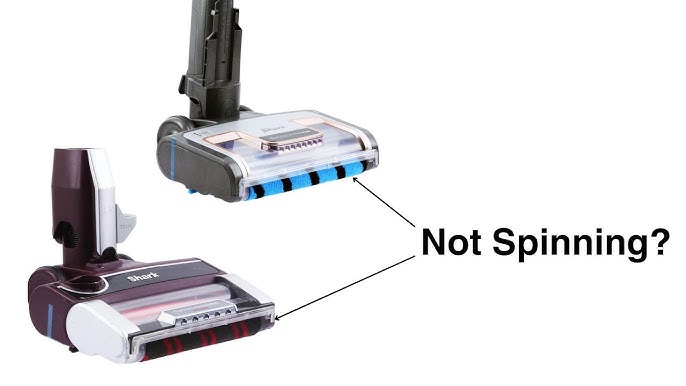
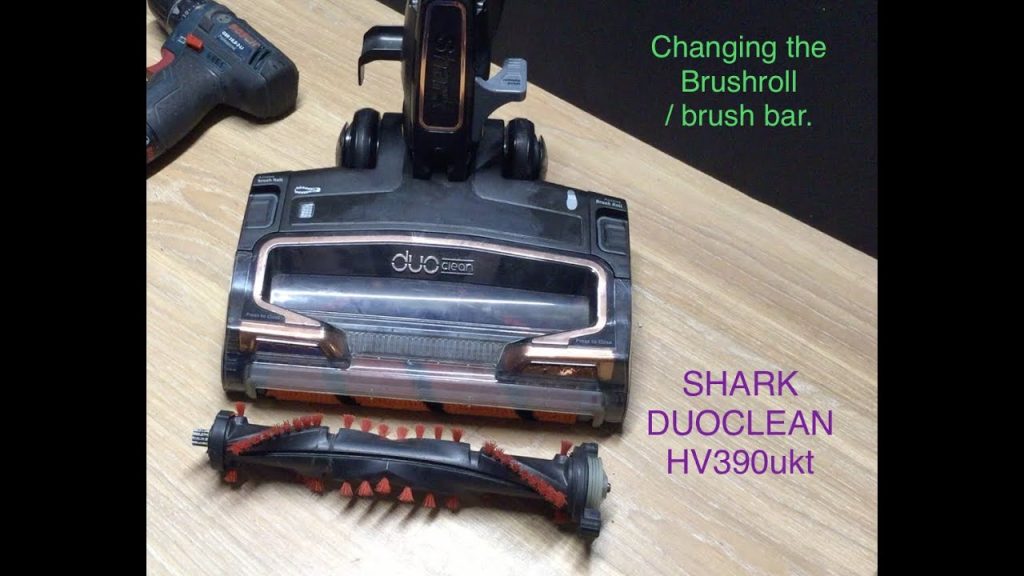
Detach the floor nozzle from the wand. Use a seam ripper, scissors, or a cleaning tool (like the mentioned brush set) to cut and remove hair, strings, and fibers wrapped around the brush roll. Pull the roll out of its housing if possible. Wipe it down and check for wear. Spin it by hand to ensure it rotates freely. This is the best way to clean shark vacuum brush roll and prevent belt damage.
How to Clean Shark Vacuum Hose and Wand
For a clog, try using a long, flexible object like a broom handle or a dedicated hose cleaning rod to push the blockage out. You can also rinse the hose, but ensure every part is bone-dry before reconnecting. Check wand joints for trapped debris. A clear airway is essential for strong suction.
Reassembly & Performance Testing
Now, put it all back together. The order is crucial.
- Ensure ALL filters are 100% dry. Insert the HEPA filter first, then the pre-motor filter.
- Click the clean, dry dust cup back into place until it locks.
- Reattach the wand sections and connect the hose securely to both the canister and wand.
- Click the floor nozzle onto the end of the wand.
Plug in the vacuum and turn it on. Test suction with your hand over the hose end. Listen for unusual noises. If suction is weak, double-check every connection and ensure filters are seated properly. A common query is shark vacuum not suctioning after cleaning, which almost always traces back to a damp filter or a misaligned part.
When to Seek Professional Help or Replace Parts
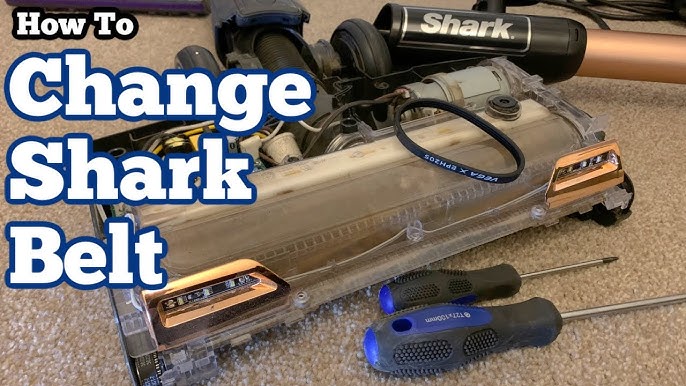
If you’ve followed all steps and problems persist, you may have a worn belt, a motor issue, or a crack in the hose. Consult your manual for part numbers. For complex models, sometimes investing in a newer technology, like one of the best Shark bagless vacuum cleaners, might be more cost-effective than major repairs on an older unit.
Keeping Your Shark in Top Shape
Establishing a routine is everything. How often to clean shark canister vacuum components depends on your usage. A home with pets needs more frequent brush roll cleaning. A household with allergies demands strict filter maintenance. Your vacuum is a tool, and like any fine tool, it performs best when cared for. Regular canister vacuum maintenance is a small investment of time that pays off in powerful cleaning sessions and a longer-lasting machine. You’ve got this.