Youve come to rely on your Shark Lift-Away DuoClean for powerful cleaning. But lately, a loud noise has you worried. Is it broken? Before you consider a costly replacement, know that many loud sounds have simple fixes you can handle yourself. In fact, for persistent high-pitched motor whines that aren’t caused by a clog, some users find relief with aftermarket accessories designed to dampen sound. For this project, many professionals recommend using the Muffler Diffuser WetDry which is available here.
This guide will help you diagnose and fix that excessive noise. Well cover everything from normal operation sounds to step-by-step troubleshooting. Youll learn how to identify problems, perform simple maintenance, and know when its time to call in the experts.

Whats Normal? Decoding Your Sharks Sound Profile
All upright vacuum cleaners make noiseits the sound of powerful suction and motor work. Your Shark Lift-Away DuoClean typically operates between 70-80 decibels, similar to city traffic or a noisy restaurant. This is its normal working volume. The distinctive sound comes from its dual brush roll system and high-speed motor. A consistent, powerful hum is good. Its sudden changes you need to listen for.
Problematic noises are often sharper, louder, or have a distinct character. Listen closely. Is it a high-pitched whine, a harsh grinding, or a repetitive clicking? Identifying the sound type is your first clue to the underlying problem. Asking “is it normal for Shark vacuum to be loud?” is smart, but the key is distinguishing between its standard powerful operation and a new, distressing sound.
Common Culprits: Why Your Shark DuoClean is Making Noise
Excessive noise usually points to an obstruction, a worn part, or a maintenance need. Here are the most frequent offenders.
1. A Blockage in the Air Path
This is the number one cause of a sudden loud whine or loss of suction. The motor works harder when airflow is restricted, creating a higher-pitched sound. Check these spots in order:
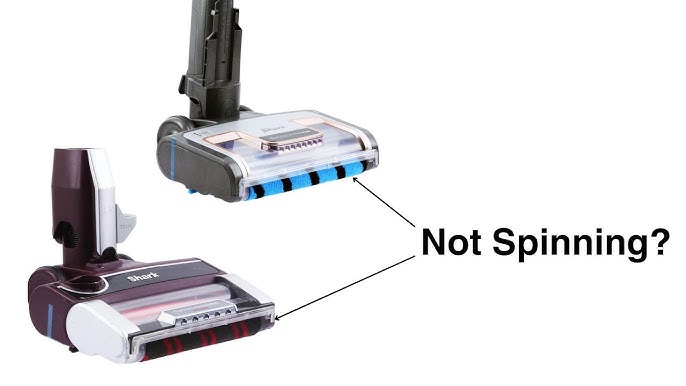
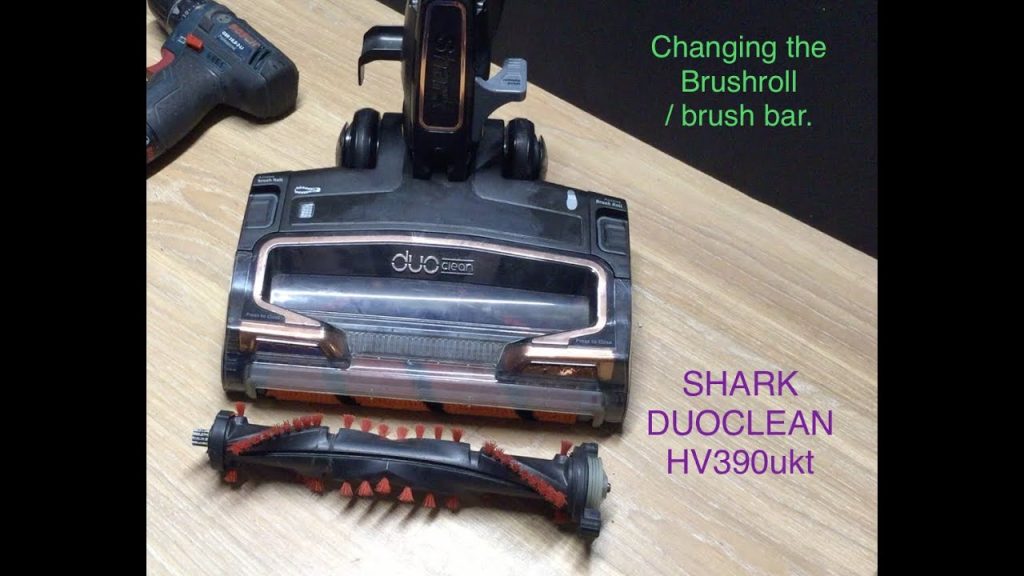
- The Brush Roll: Hair, string, and carpet fibers wrap around the ends and central bar.
- The Hose and Wand: Debris can get lodged, especially if you’ve vacuumed up larger objects.
- The Dust Cup and Cyclone: An overfull cup or packed debris in the cyclones chokes airflow.
- The Filters: A clogged filter is a major airflow blocker.
2. Worn or Damaged Parts
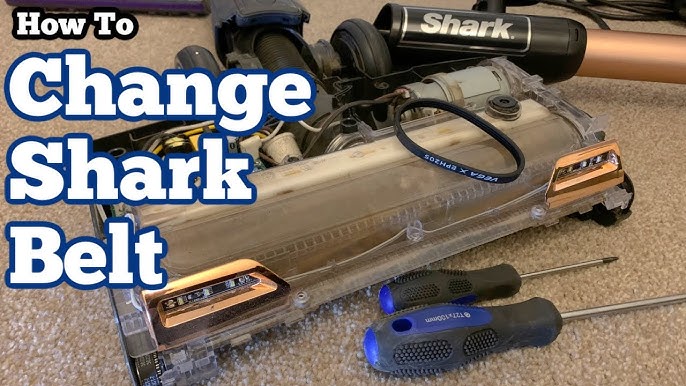
Parts wear out with use. A worn belt can slip or snap, causing a slapping or grinding noise. A damaged brush roll bearing will create a loud grinding or roaring sound. Even a small crack in the plastic housing can change how sound resonates.
3. Maintenance Overdue
Shark vacuums are bagless, which means maintenance is on you. Neglecting it leads directly to noise issues. The two main items are the filter and the brush roll. A dirty filter forces the motor to strain. A tangled brush roll cant spin freely, causing the motor to labor and sound loud.
Your Step-by-Step Troubleshooting Guide to Fix Loud Noise
Follow this systematic approach to find and fix the issue. Always unplug the vacuum before starting any repair.
Step 1: The Quick Check
- Empty the Dust Cup completely. Rinse it if needed and let it dry fully.
- Check the Brush Roll. Turn the vacuum over, release the cover, and remove any wrapped debris from the roll and its ends.
- Inspect the Belt. Look for signs of stretching, fraying, or snapping. A worn belt needs replacement.
Step 2: Deep Clean the Air Path
If the noise persists, you likely have a deeper clog.
- Detach the hose and wand. Shine a flashlight through and look for blockages.
- Remove and wash the pre-motor and post-motor filters (usually foam and felt). Let them air dry for at least 24 hours. Never operate the vacuum with wet filters.
- Check the opening where the hose attaches to the dust cup. Debris often collects here.
Step 3: Inspect and Test
After reassembling everything, do a test run. Start with the vacuum in its upright position with the hose and tools detached. If the noise is gone, you had a blockage in the hose or tools. If the loud noise continues, the issue is likely in the main body.
Preventive Maintenance to Reduce Noise Long-Term
A little regular care prevents most noise problems. This routine will keep your Shark running quietly and efficiently.
- Empty the dust cup after every use. Never let it fill past the “max” line.
- Clean the brush roll weekly. Cut away wrapped fibers with scissors (be careful not to cut the bristles).
- Wash the filters monthly. Refer to your manual for the specific filter wash schedule for your model. Proper drying is non-negotiable.
- Check for wear. Every few months, inspect the belt and brush roll for signs of damage.
Sticking to this schedule is the best way to avoid wondering “how to fix loud noise on Shark vacuum” in the future. For more details on maintaining similar models, our Shark NV352 Navigator Lift-Away review covers essential care tips.
When DIY Isn’t Enough: Seeking Professional Repair
Some problems require a pro. If you’ve done all the checks and the Shark DuoClean making grinding noise persists, it could be a motor or bearing issue. Heres when to stop and seek help:
- The motor emits a burning smell or visible smoke.
- There is a loud, metallic grinding from the main body that continues with the brush roll removed.
- You find internal damage or broken plastic housings.
First, check your warranty. Shark offers a limited warranty that may cover defects causing excessive noise. Use Sharks authorized service center locator to find a certified repair shop. Using unauthorized repair can void your warranty. For complex disassembly guides, a great external resource is iFixit’s vacuum cleaner repair section.
Is Your Model Prone to Noise Issues?
While the Lift-Away DuoClean is a robust line, user reports can highlight common themes. Researching your specific model can provide context. For example, understanding the design and user experiences with other Lift-Away models, like those discussed in our Shark Navigator Lift-Away NV380 reviews, can help you gauge what’s typical.
| Noise Type | Likely Cause | Primary Fix |
|---|---|---|
| High-pitched whine | Clogged filter or airway | Clean filters and clear blockages |
| Grinding or roaring | Worn brush roll bearings or debris in fan | Replace brush roll or seek professional service |
| Clicking or slapping | Foreign object in brush roll or damaged belt | Clear debris or replace the drive belt |
| Sudden increase in overall volume | Major airway blockage or motor strain | Perform full air path deep clean |
Keeping Your Cleaner Quiet
Dealing with a Shark vacuum loud noise is often a matter of methodical troubleshooting. Start with the simple fixes: empty the cup, clear the brush roll, and wash the filters. Most of the time, thats all it takes. For persistent issues, your knowledge of the machines anatomyits belts, filters, and air pathsis your best tool. Remember, consistent preventive care is far easier than reactive repair. If the problem points to a serious internal fault, your warranty and authorized service centers are there to help. Now you can get back to cleaning, with peace and quiet restored.