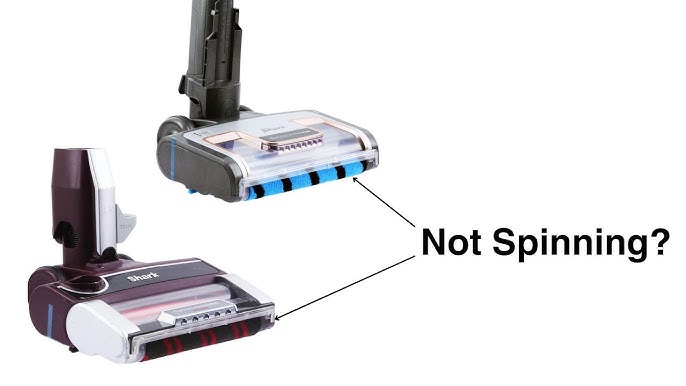
You’re in the middle of cleaning, and suddenly your Shark Navigator UV300 goes silent where it countsthe brushroll stops spinning. The vacuum might still have suction, but it’s not agitating carpet fibers. It’s a common and frustrating problem. Before you consider a costly replacement, know that this is often a fixable issue. With a systematic approach, you can usually get your vacuum back to full power.
This guide walks you through the exact steps to diagnose and fix a non-spinning brushroll. We’ll cover everything from simple blockages to motor testing. Having the right replacement part on hand can save time. For this repair, many professionals recommend using the Replacement Parts Roller which is a direct-fit solution for many Shark models.

How the Shark Navigator UV300 Brushroll System Works
To fix the problem, you need to know how the system is supposed to work. The brushroll assembly is the heart of carpet cleaning. It’s powered by a brushroll motor, which is separate from the main suction motor. This motor turns a pulley, which drives a drive belt that loops around the brushroll shaft. When everything is connected and clear, the brushroll spins at high speed.
Your Shark Navigator also has a smart clog detection system. If a major blockage occurs in the hose or airway, the vacuum may automatically shut off the brushroll motor to prevent damage. Resetting the vacuum or clearing the clog is necessary. Understanding this interplay between components is key to effective Shark Navigator upright vacuum troubleshooting.
Top 5 Reasons Your Shark Brushroll Stopped Spinning
Diagnosis is faster when you know the most likely culprits. Here are the primary suspects, ordered from most to least common.
1. A Worn or Broken Drive Belt
This is the number one cause. The belt is a consumable part made of rubber. Over time, it stretches, frays, or snaps completely. You might hear the motor humming, but the brushroll does nothing. Regular inspection is crucial.
2. A Severe Clog in the Air Path
Your Shark’s clog detection is a safety feature. A blockage in the hose, wand, or even at the brushroll chamber can trigger it. The vacuum may still suck weakly from the upper hose, but the brushroll circuit is cut. This is a common reason for shark vacuum brush not spinning despite having power.
3. A Tangled Brushroll
Hair, string, and carpet fibers wrap around the brushroll ends and shaft. This creates immense friction, eventually stalling the motor or snapping the belt. The brushroll should spin freely by hand when you remove it.
4. A Faulty Brushroll Motor
Less common, but it happens. The motor can burn out from overheating (often due to a tangled brushroll) or simply fail. You’ll need a multimeter to test it for continuitya step many guides skip.
5. Damaged Brushroll End Caps or Bearings
The plastic brushroll end caps can crack, or the bearings inside can seize. This prevents the brushroll from turning smoothly, even with a new belt. Inspect these closely during any repair.
Step-by-Step Troubleshooting & Repair Guide
Follow these steps in order. You’ll likely find the issue before reaching the end.
Step 1: Safety First & Initial Checks
Unplug the vacuum. Always. Flip the vacuum over to examine the brushroll. Manually try to spin it. Is it completely locked? Can you see a thick mat of hair? Also, check the power setting on your Shark Navigator Lift Away. Some models have a “hard floor” setting that disengages the brushroll.
Step 2: Clear the Brushroll and Inspect the Belt
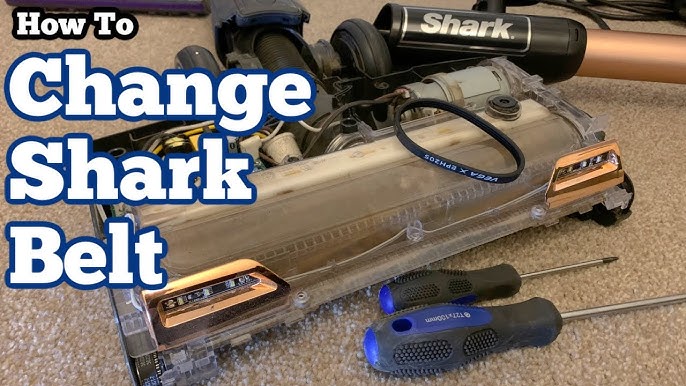
Use a seam ripper or scissors to cut away all debris wrapped around the brushroll and its ends. Once clean, try spinning it by hand again. It should rotate easily. Next, remove the bottom plate (usually held by a few screws) to expose the belt and motor. Look for a belt that is stretched, shiny, or in pieces.
Step 3: Check for Air Path Clogs
Disassemble the vacuum’s air path. Detach the hose from both the pod and the handle. Shine a flashlight and look through. Check the connection port at the brushroll chamber. A common spot for a clog is right where the hose meets the vacuum body. Use a long, flexible object (like a plumbing snake) to gently clear any blockage.
Step 4: Test the Brushroll Motor
If the belt is intact and there are no clogs, the motor might be dead. This is where we cover the missing entity: multimeter testing. Unplug the motor’s wiring connector. Set your multimeter to the ohms () setting. Place one probe on each of the motor’s connector terminals. You should get a reading (often between 2-10 ohms). No reading (OL) means the motor is dead and needs replacement. A comprehensive vacuum cleaner repair guide at iFixit can offer visual support for this process.
Step 5: Inspect the Brushroll Assembly
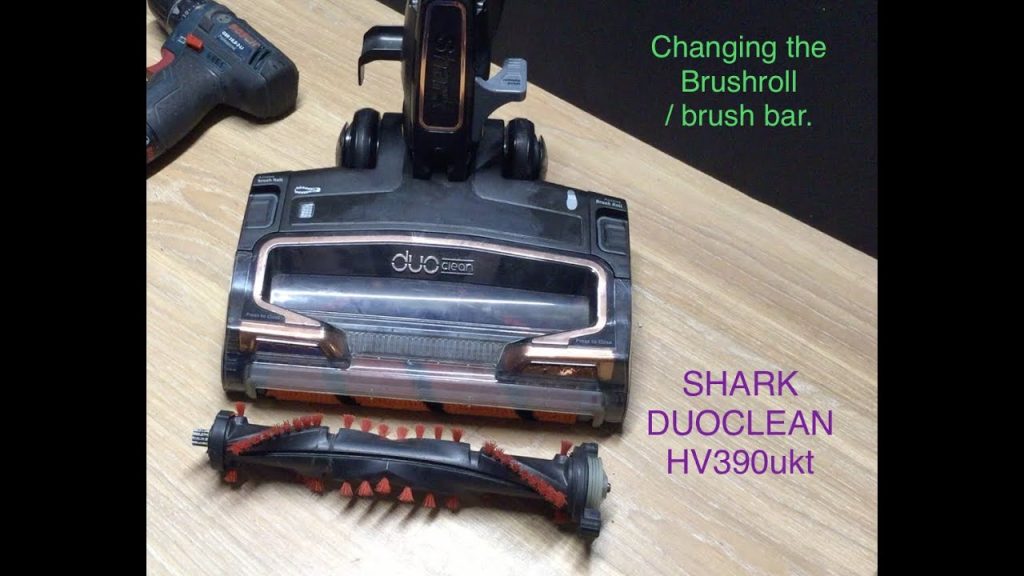
Remove the brushroll completely. Examine the plastic end caps for cracks. Spin the brushroll shaft by hand; it should rotate silently. Any grinding or resistance indicates bad bearings. The entire brushroll assembly may need to be swapped.
How to Replace the Shark UV300 Brushroll
If your brushroll is damaged or its bearings are shot, here’s how to replace it.
- Unplug the vacuum and turn it over.
- Remove the bottom plate screws and set the plate aside.
- Slide the old drive belt off the motor pulley and brushroll shaft.
- Lift the brushroll out of its housing.
- Compare the old and new brushrolls. Ensure they are identical in length and end cap design.
- Place the new brushroll into the housing. Loop the new drive belt around the brushroll shaft first, then stretch it onto the motor pulley.
- Replace the bottom plate and screws. Plug in and test.
Replacement part number: It’s critical to get the right part. For the Shark Navigator UV300 series, common OEM part numbers include XFF350 and NV350. Always verify the number on your original part or in your owner’s manual. This precise info solves the query for shark uv300 brushroll replacement part number.
Preventive Maintenance to Avoid Future Issues
A little care prevents most vacuum brushroll problems. Make this part of your routine.
- Weekly: Visually check the brushroll for winding debris and cut it free.
- Monthly: Remove the bottom plate and inspect the drive belt for wear. Ensure the brushroll spins freely.
- Seasonally: Fully disassemble the hose and wand to check for hidden clogs. This is especially important if you have pets or long hair.
- Annually: Consider replacing the drive belt as preventative maintenance, even if it looks okay. It’s a cheap part.
Following these steps will significantly extend the life of your machine, whether you have a classic model or one of the best Shark Navigator Lift-Away vacuums with updated features.
When to Call a Professional or Replace
Most brushroll issues are DIY-friendly. However, if you’ve tested the motor and it’s dead, you must decide between repair and replacement. A new brushroll motor can cost a significant portion of a new vacuum. If your Shark is older and has other wear, investing in a new model might be more economical. For persistent electrical issues beyond the brushroll, professional repair is advised.
A non-spinning brushroll on your Shark Navigator UV300 is almost never a death sentence for the vacuum. Start with the simple fixes: clear the brushroll, check for a clog, and inspect the belt. Nine times out of ten, you’ll find the problem there. For those rarer motor or bearing failures, you now have the knowledge to diagnose them accurately. With the right part number and a methodical approach, you can restore your vacuum’s deep-cleaning power and avoid the landfill. Keep it clean, check the belt regularly, and your Shark will keep navigating through dirt for years to come.