You notice your Shark vacuum isn’t picking up like it used to. That familiar hum is there, but the loss of suction is clear. It’s a common frustration, but it’s almost always fixable with some simple checks. This guide will walk you through a calm, step-by-step process to restore your vacuum’s power.
Before you begin any troubleshooting, consider your environment. A vacuum’s performance can be affected by the flooring it’s used on. For consistent suction on a variety of surfaces, ensuring your floors are clean and free of large debris is a good first step. For this kind of maintenance, many find that using a tool like the Upgraded Vacuum Floor nozzle can help prepare the area for a more effective deep clean with your primary vacuum.

Step 1: Check and Empty the Dust Cup
Start with the simplest solution. An overfull dust cup is the most frequent cause of weak suction. It restricts airflow at the very start of the system.
- Remove the dust cup from your Shark upright, cordless, or stick vacuum.
- Empty it completely into a trash bin. Don’t just tap it out; make sure it’s empty.
- Check the interior for any fine dust clinging to the walls. A quick wipe with a dry cloth can help.
- Before reattaching, look at the cup’s seal and the port on the vacuum. A poor seal here will immediately kill suction power.
This basic act of vacuum cleaner maintenance often solves the problem right away.
Step 2: Inspect and Clean the Filters
Clogged filters are the next biggest culprit. Shark vacuums, like most from Dyson or Bissell, use a multi-filter system to trap fine particles. When they’re dirty, airflow stops.
Locating and Cleaning Your Filters
Consult your manual, but generally, you’ll find a pre-motor filter and a post-motor HEPA filter. For models like the Shark Navigator or Rotator Professional, these are often accessible without tools.
- Remove the filters. Take care not to damage any seals or gaskets.
- Tap them gently over a trash can to dislodge loose dirt.
- Rinse with cold water only. Never use soap or hot water, as it can damage the filter material. This is key for learning how to clean shark vacuum filter for better suction.
- Let them air dry completely for at least 24 hours. Putting a damp filter back in is a sure way to cause more loss of suction and potential motor damage.
Regular filter cleaning is the best preventative measure for maintaining suction power.
Step 3: Check for and Remove Clogs in Hose and Nozzle
If the dust cup and filters are clear, a blockage in the airflow path is likely. This is a core part of any clog removal process.
Systematic Clog Hunting
Disassemble the vacuum’s airflow path. Start from the nozzle and work backward to the dust cup.
- Nozzle and Floor Head: Remove the brushroll (see next step) and look inside the chamber. Hair and string often wrap around ends here.
- The Hose: Detach it from both ends. Flex it and look through it toward a light source. For a stubborn clog, a long, flexible tool like a plumbing snake or even a straightened coat hanger (used carefully) can work.
- Wand and Elbows: Check any connection points or bends in the wand assembly on upright models. These are common choke points.
Clearing these pathways is often the fix for why does my shark vacuum have no suction after checking the basics.
Step 4: Examine the Brushroll and Belt
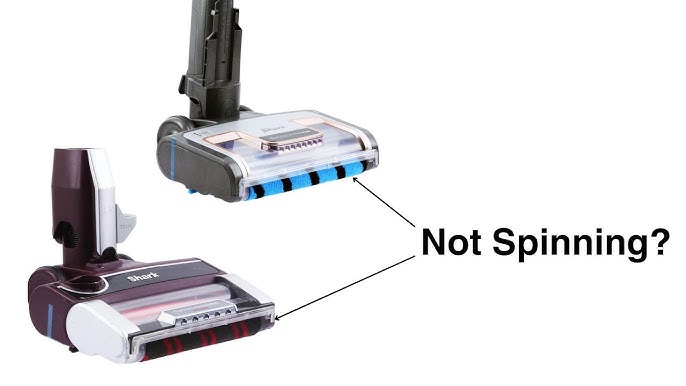
The brushroll isn’t directly responsible for suction, but a jammed one can block the intake. This makes the vacuum feel like it has weak suction because it’s not agitating debris.
- Turn the vacuum over and locate the brushroll cover. Releases are usually lever- or screw-based.
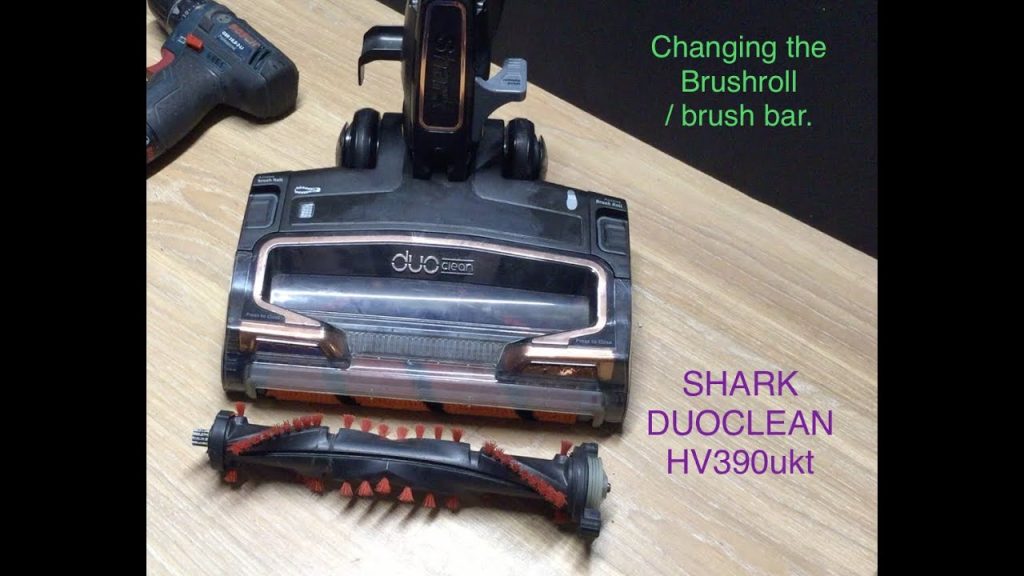
- Remove the cover and pull out the brushroll. Use scissors or a seam ripper to carefully cut away any wound hair, strings, or carpet fibers from the ends and the bristles.
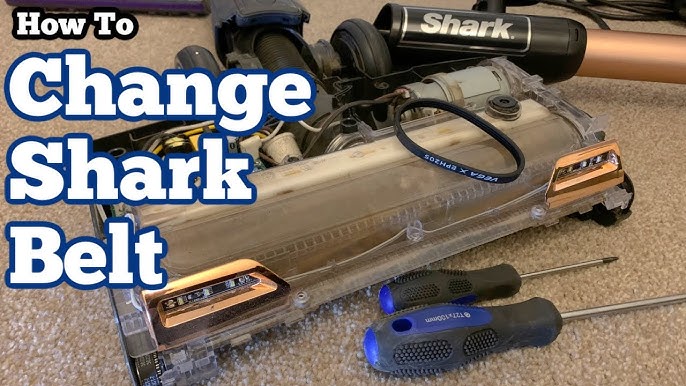
- Inspect the drive belt. It should be snug and free of cracks or glazing. A worn belt won’t spin the brushroll effectively.
- Clear any debris from the brushroll chamber before reassembling everything.
Step 5: Advanced Troubleshooting and When to Seek Help
If you’ve completed all previous steps and your shark rotator professional vacuum [is still] losing suction, the issue may be more advanced.
Inspecting Seals and Gaskets
Air leaks are a stealthy problem. Check every connection point in the vacuum’s airflow pathwhere the hose meets the wand, the wand meets the body, the dust cup seals. Even a small, cracked gasket can significantly reduce suction power. Listen for a hissing sound when the vacuum is on.
Warranty and Professional Repair
This is a critical missing entity in many guides. Before opening the motor housing or attempting complex disassembly, check your warranty. Self-repair with unofficial parts or methods can void it. For model-specific part numbers and detailed teardown guides, resources like iFixit’s comprehensive vacuum cleaner repair guides are invaluable.
If the motor itself is failing (it may sound different or smell hot), or if you’re not comfortable with further disassembly, contacting Shark customer support or a local appliance repair shop is the best step. A professional troubleshooting service can diagnose issues you might miss.
Considering Your Vacuum’s Age and Model
Sometimes, the fix involves understanding your model’s specifics. For instance, the approach for a cordless stick vacuum differs slightly from an upright. If you’re considering an upgrade to a different type of Shark, reading detailed reviews can help. For example, insights into the Shark AV751 Ion robot vacuum’s performance and maintenance or the features of the Shark AV753 Ion robot vacuum model might inform your decision if a repair isn’t feasible.
Restoring suction to your Shark vacuum is almost always a matter of methodical elimination. Start simple with the dust cup and filtersthat solves most problems. Move patiently through the airflow path, checking for clogs and inspecting seals. Remember that regular maintenance, like cleaning filters and checking the brushroll, is the best way to prevent loss of suction in the first place. With these steps, you can confidently handle most shark vacuum suction problems and keep your cleaner working effectively for years.