You turn on your Shark Navigator, ready to tackle the dust, and instead of a powerful hum, you hear a high-pitched whistling noise. Its distracting, a bit alarming, and a clear sign somethings off. That whistling sound isn’t normal; its your vacuum telling you its working harder than it should. Usually, it points to an airflow problemsomething is blocking the path or a seal has failed, forcing air through a tiny gap at high speed.
Before you worry about major repairs, know this: most whistling issues are fixable at home. The key is a systematic check of the most common culprits. For instance, if you discover a crack in the main canister during your inspection, a replacement like the MAYITOP Replacement Canister can be a cost-effective solution to restore a perfect seal and stop the noise for good.

Why Your Shark Navigator Whistles
That whistling noise is almost always caused by an air leak or an obstruction. Think of it like putting your thumb over the end of a garden hosethe water (or in this case, air) speeds up to squeeze through a smaller opening, creating that distinctive sound. In your Shark vacuum, this happens when the smooth, designed airflow is disrupted. The motor strains to maintain suction, pulling air through unintended gaps or past stubborn blockages.
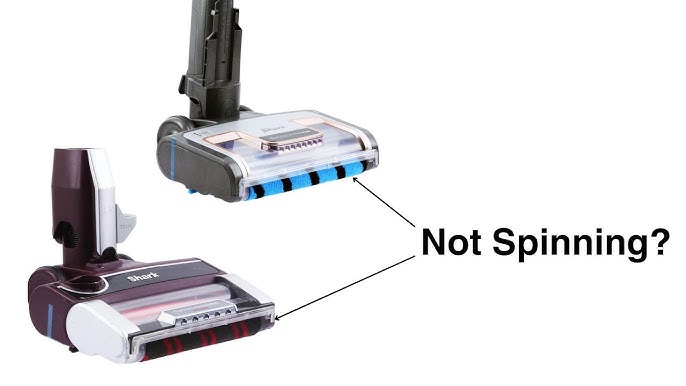
Common triggers include a clogged hose or wand, dirty or clogged filters, or a brush roll obstruction wrapped with hair and string. Less obvious causes can be a loose attachment point or a small crack in the plastic housing. Identifying the source is your first step to a quiet, efficient vacuum.
Step-by-Step Troubleshooting Guide
Follow this logical sequence to find and fix the problem. Always unplug your vacuum before starting any inspection.
1. Check for Blockages in the Air Path
Start from the top down. Remove the floor nozzle and look inside. Clear any debris wrapped around the brush roll. Next, detach the hose and wand. Shine a flashlight through them and look for obstructions. You can often dislodge a clog by gently using a long, flexible object like a broom handle. A hose clog is a frequent offender for whistling, especially when using attachments.
2. Inspect and Clean All Filters
Dirty filters are the number one cause of suction problems and related noises. Your Shark Navigator has at least two: a foam and felt pre-motor filter and a HEPA filter at the top. Remove them according to your manual. Tap them gently to remove loose dust, then rinse them thoroughly under cold water. This is non-negotiable. Let them air dry for a full 24 hours before reinstalling. A damp filter will cause immediate motor strain.
Pro Tip: When you clean the pre-motor filter, also check its housing for any cracks or debris that might prevent a good seal.
3. Examine Seals and Connections
With the vacuum still unplugged, go around the entire system. Check hose connections at the canister, wand, and floor head. Ensure they click securely into place. Look for cracks or damage on the hose itself, especially at the bends. Inspect the clear dust canister for any hairline fractures. Even a tiny gap can create a significant whistle.
4. Listen to Isolate the Sound
Plug the vacuum back in. Turn it on and listen closely. Does the whistling happen only with the hose attached? Try it with just the floor nozzle. This can help you pinpoint whether the issue is in the upper hose assembly or the lower cleaning path. If the noise is present even with all attachments removed, the issue is likely in the main body or filters.
Cleaning and Maintenance to Stop the Noise
Regular maintenance isn’t just about performance; it’s the best way to prevent odd vacuum cleaner sounds. For your Shark Navigator, this means a simple but consistent routine.
- Empty the Canister Frequently: Don’t wait for it to be full. Empty it after every few uses to prevent dust from being pulled into the filters.
- Filter Wash Schedule: Rinse both the pre-motor and HEPA filters every 1-3 months, depending on use. Mark your calendar.
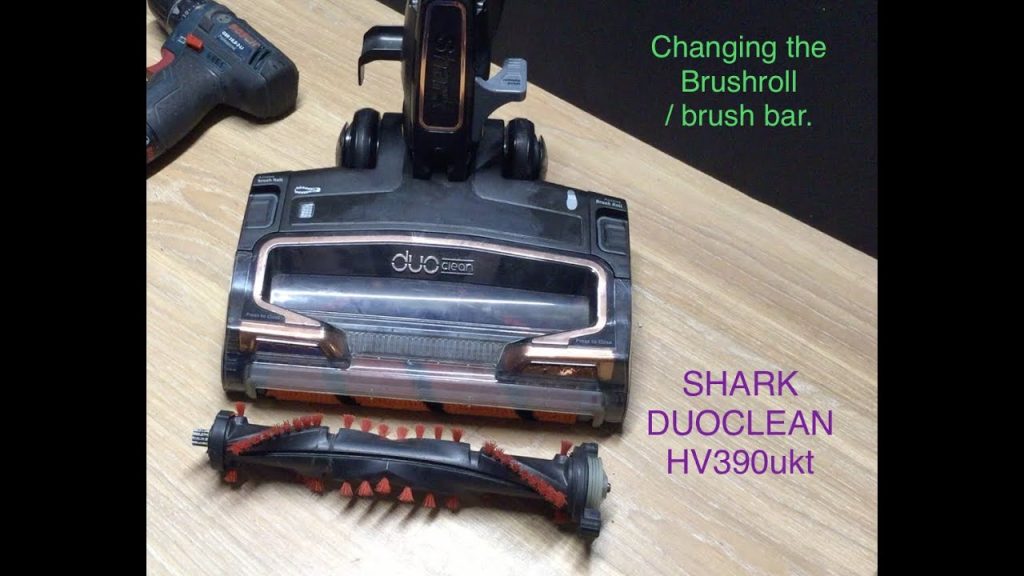
- Brush Roll Care: Every month, use scissors or a seam ripper to cut and remove hair, threads, and carpet fibers wrapped around the ends of the brush roll.
- Wipe Down Seals: Occasionally, wipe the rubber gaskets and connection points with a damp cloth to ensure a clean, tight seal.
This routine is especially critical for high-performance models like the best Shark Navigator upright with HEPA filter, where filter integrity is paramount for air quality and motor health.
When Professional Repair is Necessary
Sometimes, DIY isn’t enough. If you’ve completed all troubleshooting steps and the high-pitched noise persists, you might be dealing with internal damage.
- Motor Fan Damage: A broken or warped fan blade inside the motor housing can create a whistling or grinding sound. This requires motor service.
- Internal Crack or Seal Failure: A crack in the internal ductwork isn’t always visible from the outside.
- Persistent Motor Strain Noise: If the motor itself sounds whiny or labored even with clean filters and clear paths, it may be failing.
Before you attempt a complex teardown, consider your warranty. Opening the motor housing often voids it. For detailed, part-specific repair guides, a fantastic resource is the community at iFixit’s Vacuum Cleaner repair section. They offer step-by-step manuals that can help you identify part numbers and procedures.
Warranty Implications and Part Numbers
This is a key area many guides miss. Your Shark vacuum has a limited warranty that typically covers defects in materials or workmanship. Self-repair on sealed components (like the motor) can void this coverage. Always check your warranty status first. If you need a common replacement partlike a specific hose assembly or latchhaving the exact model number (found on the rating plate) is crucial. For example, a common fix for a whistling Lift-Away might be replacing the hose assembly, part # XHF350.
Preventing Future Whistling Sounds
An ounce of prevention is worth a pound of cure, especially with vacuums. Integrate these habits to keep your Navigator running silently.
- Pre-Vacuum Sweep: Quickly pick up large debris, strings, and hair clumps before vacuuming. They’re the main causes of brush roll and hose blockages.
- Mind the Hose: Avoid kinking or crushing the hose during use and storage. This can cause internal damage that leads to airflow obstruction.
- Use the Right Settings: If your model has a carpet height adjustment, use it correctly. A setting that’s too low can overwork the brush roll and motor.
- Store Properly: Store your vacuum in a dry place and wrap the cord loosely. This prevents stress on components and accidental damage.
For those with a versatile Lift-Away model, proper hose and wand care is doubly important. You can learn more about maintaining these systems in our guide to the best Shark Navigator Lift-Away vacuums.
Is This Sound Normal? A Quick Comparison
It helps to know what you’re listening for. A normal Shark vacuum has a steady, medium-pitched motor hum. A whistle is a distinct, sharp, high-pitched tonelike air escaping from a balloon. A grinding or rattling noise indicates a different problem, likely a foreign object in the brush roll or a broken part. If you can, search for “Shark vacuum making high pitched sound when turned on” online to find video examples for audio comparison.
Your Shark Navigator’s whistle is a call for help, not a death sentence. Start with the simple checks: clear the blockages, wash the filters, and inspect the seals. Most of the time, that’s all it takes. For persistent issues, weigh the cost of professional repair against the age and value of your vacuum. With consistent care, you can keep your vacuum running powerfully and quietly for years, making quick work of any mess without the distracting soundtrack.