Your vacuum cleaner suddenly has no suction. It’s a common and frustrating problem, but it’s almost always fixable. Before you consider a costly replacement, a few simple checks can often restore power. This guide will walk you through a calm, step-by-step process to diagnose and fix the issue.
Start with the simplest solutions first. A full dust canister or bag is the most frequent culprit for a sudden loss of suction. If your model uses a bag, replace it. For bagless models, empty the bin and ensure it’s clicked back into place securely. A poorly seated bin can cause significant air leaks. If your canister is cracked or the latch is broken, a replacement is needed. For this, many find the MAYITOP Replacement Canister to be a reliable and cost-effective solution that restores a proper seal.

Step 1: Check and Empty the Dust Canister or Bag
This is your first and most important stop. A vacuum’s suction power depends on clear airflow. When the collection chamber is overfull, airflow is severely restricted.
- Bagged models: Replace the bag. Don’t wait for it to be completely packed; most work best at 2/3 full.
- Bagless canisters: Empty the bin completely. Tap out any fine dust clinging to the interior. Check the bin’s seal and the gasket on the machine.
- All models: Look for a blockage in the path from the bin to the motor. Sometimes a large object gets lodged right at the entrance.
Why does my vacuum have no suction all of a sudden? An overfull container is often the answer.
Step 2: Inspect and Clean All Filters
Clogged filters are the second most common reason for weak suction. Most modern vacuums, especially brands like Dyson and Shark, have multiple filters that need regular care.
Identifying Your Filters
It’s crucial to know the difference between pre-motor and post-motor filters. Cleaning the wrong one won’t solve your vacuum cleaner suction power problem.
- Pre-motor filter: Protects the motor from dust. If clogged, it starves the motor of air, causing weak suction and potential overheating.
- Post-motor filter (often a HEPA filter): Cleans the exhaust air. If clogged, it traps air inside the machine, drastically reducing airflow.
Consult your manual. Most canister vacuums and stick vacuums have easily accessible filters. For upright vacuums, the filter is often near the dust cup.
How to Clean Filters
- Remove the filter according to your manual.
- Tap it gently to dislodge loose dust over a trash can.
- For washable filters, rinse under cold water until the water runs clear. Never use soap.
- Let it air dry completely for at least 24 hours. A damp filter will cause immediate suction loss.
Regular vacuum maintenance includes cleaning filters monthly under normal use.
Step 3: Check for and Remove Hose and Brush Roll Blockages
If the container and filters are clear, a physical blockage is likely. This is a key part of any vacuum repair guide.
Clearing the Hose and Wand
Disconnect the hose from both the machine and the floor head. Unclog vacuum hose by:
- Looking through it toward a light source.
- Using a long, flexible object like a broom handle or a dedicated plumbing snake to gently push the blockage out.
- For stubborn clogs, try running a garden hose through it (ensure it’s completely dry before reusing).
Inspecting the Brush Roll
Turn your vacuum over. The brush roll should spin freely when you turn it by hand.
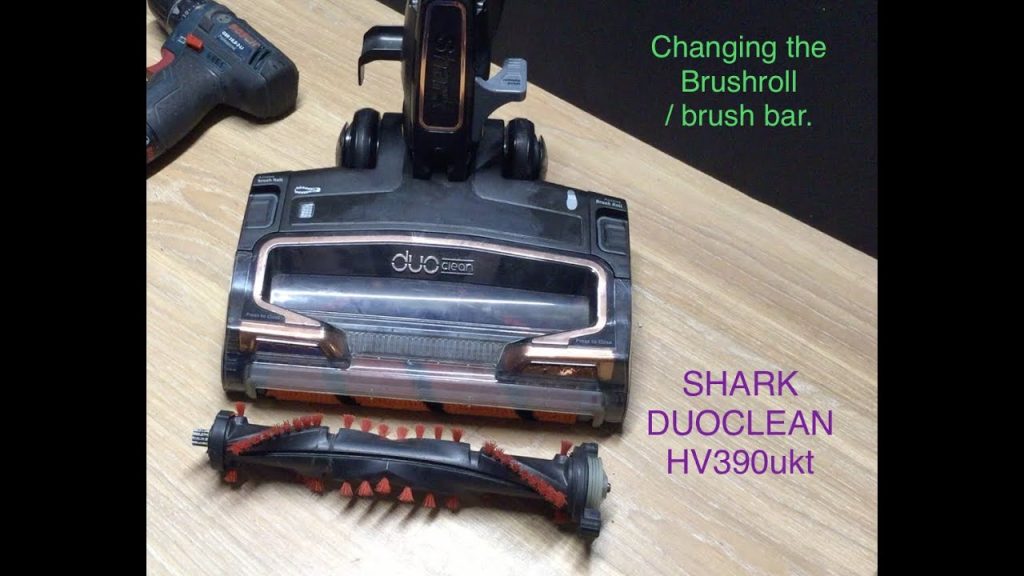
- Remove debris: Cut away hair, string, and carpet fibers wrapped around the ends and the roll itself.
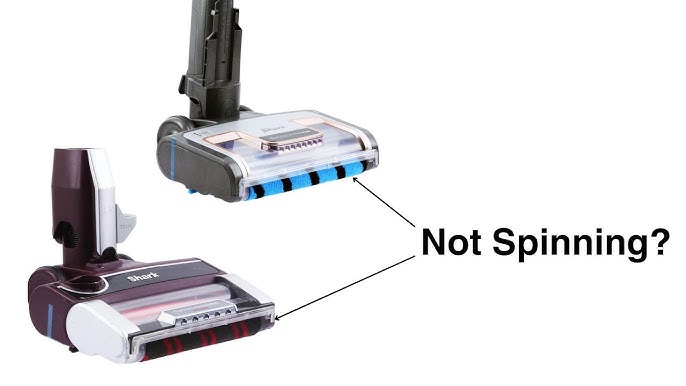
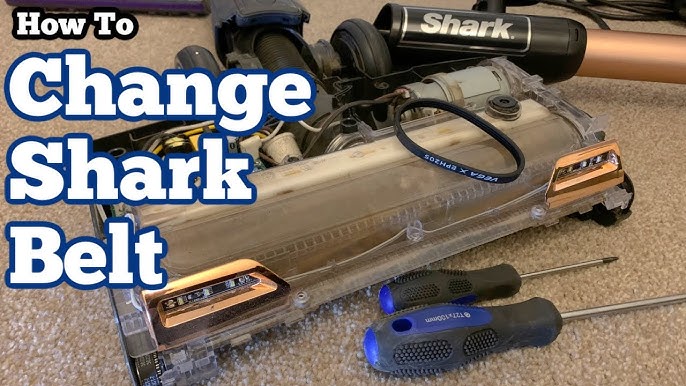
- Check the belt: On many upright vacuums, a worn or broken drive belt won’t spin the brush roll. A non-spinning brush roll can’t agitate dirt into the airflow path, making it seem like a suction problem. This is a specific belt-related suction issue competitors often miss.
This step often solves Dyson vacuum no suction troubleshooting and Shark vacuum cleaner weak suction how to fix scenarios.
Step 4: Examine Seals and Connections for Leaks
Your vacuum is a sealed system. Any crack or gap lets air in, destroying suction. This is about checking suction at the hose end versus the floor head.
Performing a Suction Test
- Turn on the vacuum.
- Place your hand over the end of the hose (not attached to the floor head). You should feel strong suction.
- Now attach the hose to the floor head and place your hand over the cleaning head’s intake. The suction should feel similarly strong.
If suction is strong at the hose but weak at the floor head, the leak is in the wand, hose connections, or the floor head itself. Inspect every connection point for cracks, gaps, or missing seals. Even a small air leak has a big impact.
Step 5: When to Consider Professional Repair or Replacement
If you’ve completed all previous steps and your vacuum still has weak suction, the issue may be internal. Knowing when to stop is part of smart vacuum cleaner troubleshooting.
Signs You Need a Professional
- Unusual noises: A high-pitched whine, grinding, or screaming from the motor.
- Burning smell: This indicates a failing suction motor or a severe blockage causing overheating.
- No power at all: If the vacuum turns on but you feel no suction at the hose end, the motor or internal seals may have failed.
For complex disassembly, a resource like iFixit’s comprehensive vacuum cleaner repair guides can be invaluable for the confident DIYer. Otherwise, a local repair shop can diagnose a motor issue.
Evaluating Replacement
Repair costs often approach the price of a new vacuum for older models. If you’re frequently facing suction problems, it might be time for an upgrade. Modern vacuums with advanced cyclone technology maintain suction better. Consider your needs: a best automatic robot vacuum cleaner for daily maintenance, or a powerful best battery-powered vacuum cleaner for quick, cordless cleaning.
Maintaining Optimal Suction
Prevention is simpler than repair. A consistent routine prevents most vacuum loses suction issues.
- Empty the bin or change the bag before it’s completely full.
- Clean filters monthly. Mark your calendar.
- Check the brush roll weekly for tangled debris.
- Inspect hoses and seals quarterly for wear or damage.
- Avoid vacuuming large, solid objects that can cause blockages.
How to fix a vacuum cleaner that lost suction power usually starts with these basic habits. They are the most reliable home remedies to fix vacuum suction. Your vacuum is a tool that works hard for you. With a little regular care and calm troubleshooting, you can keep it running powerfully for years.