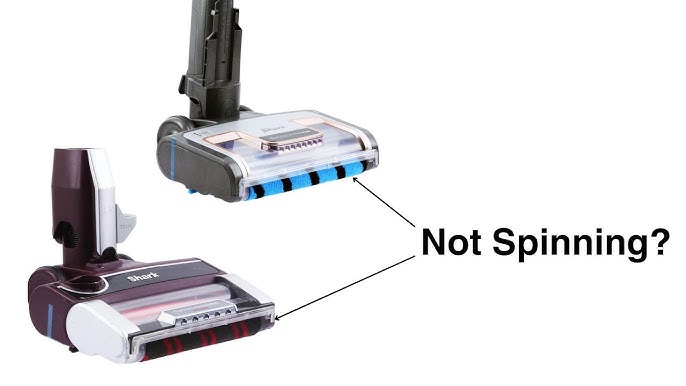
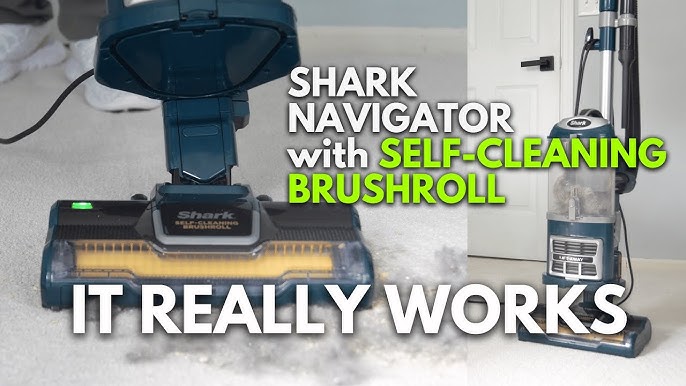
You’re vacuuming, and you hear that dreaded sound. A high-pitched whine, a struggle. The brush roll has stopped spinning, choked by a tangled mess of hair and fibers. It’s a universal chore, one that can make you dread cleaning. But what if your vacuum could handle that problem for you? That’s the promise behind a self-cleining brush roll.
This technology, pioneered by brands like Shark, aims to eliminate the most tedious part of vacuum maintenance. Instead of you reaching for scissors every few weeks, the vacuum has a system designed to keep its brush roll clean automatically. It’s a game-changer for homes with pets, long hair, or high-pile carpets. For a reliable example of this tech in action, many cleaning enthusiasts turn to the Shark Upright Vacuum series, which often features robust self-cleaning systems.

What is a Self-Cleaning Brush Roll?
At its core, a self-cleaning brush roll is a component designed to prevent hair and string from winding around the roller. Traditional brush rolls act like a spool, collecting debris that you must manually cut and pull off. A self-cleaning system uses a combination of mechanical design and, in some cases, motorized action to actively remove that debris as you clean.
Think of it as a built-in maintenance crew. While the vacuum sucks up dirt, the system works to eject hair tangles into the dust cup. The goal is a tangle-free system that maintains peak suction and brush roll performance with minimal intervention from you. This is the heart of modern vacuum cleaner technology focused on user convenience.
How Shark’s Self-Cleaning Technology Works
Shark’s approach, often branded as anti-hair wrap technology, is elegantly mechanical. It doesn’t rely on complex sensors or separate motors. Instead, it uses the vacuum’s own suction path and clever brush roll design to solve the problem. Here’s the basic process as you push the vacuum forward.
- The Capture: Hair and threads are pulled into the cleaner head and start to wrap around the brush roll, just like on any vacuum.
- The Alignment: Shark’s brush roll features strategically placed grooves and channels. These guide the wrapped debris toward the ends of the roller.
- The Ejection: At the ends of the brush roll, a combination of centrifugal force from the spinning and the powerful suction from the vacuum pulls the hair off the ends. The debris is then sucked directly up into the dust cup, bypassing the roller entirely.
It’s a continuous process. As new hair wraps, the system is already working to move it off. You can often see this in actionfine hairs and pet fur collected neatly in the clear bin, not strangling the brush.
Key Components and Mechanism
Several parts work in concert to make this self-cleaning system effective. Understanding them helps you appreciate the engineering and troubleshoot if needed.
- The Grooved Brush Roll: This isn’t a standard cylinder. It has helical grooves or notches that act like a screw conveyor, directing debris outward.
- Open-End Design: The brush roll spins on bearings, but its ends are open and exposed to the suction pathway. This is the critical exit point for tangled hair.
- High-Suction Motor: Consistent, powerful suction is essential. It provides the force needed to pull the hair off the ends of the roll and into the bin.
- Cleaner Head Geometry: The shape of the nozzle around the brush roll is designed to create an optimal airflow path that facilitates this ejection process.
This brush roll technology is featured across Shark’s lineup, from their powerful uprights to their nimble cordless and even some robot vacuums. Models like the Shark Vertex, Apex, and IZ series commonly include it. It’s a signature Shark vacuum feature that sets them apart from many competitors.
Benefits and Advantages of the Self-Cleaning System
Why does this matter for your cleaning routine? The advantages go beyond just avoiding a gross task. They translate into real performance and longevity benefits.
- Consistent Power: A clean brush roll spins freely. This maintains optimal agitation on carpets for deep cleaning and ensures full suction power isn’t being choked off by clogs.
- Reduced Maintenance: Your brush roll maintenance shifts from a frequent, hands-on chore to an occasional check. You spend less time on your knees with scissors.
- Superior pet hair removal: This is arguably the biggest win. Pet hair is the primary culprit for tangles. A self-cleaning system handles it in real-time, making these vacuums a top choice for pet owners.
- Longer Appliance Life: A constantly tangled brush roll strains the drive motor and belt. By preventing tangles, you reduce wear and tear, potentially extending your vacuum’s life.
- Hygienic Operation: You’re not manually pulling out clumps of hair, dust, and allergens. It’s all contained within the sealed dust cup, which you can empty without direct contact.
When compared to a regular brush roll, the difference is night and day. It’s the difference between reactive maintenance and proactive design. For a detailed look at which models excel, see our guide to the best Shark vacuum with self-cleaning brushroll.
Maintenance and Troubleshooting Tips
While “self-cleaning” is in the name, no system is entirely maintenance-free. Think of it as “low-maintenance.” Heres how to keep yours running smoothly and what to do if you encounter problems with Shark self-cleaning brush roll.
Routine Care
Even with this technology, you should perform these simple checks every month or so, depending on use.
- Visual Inspection: Periodically, flip the vacuum over and check the brush roll. Look for any large debris like ribbons, cords, or excessive thread buildup that might bypass the system.
- Clear the Ends: Sometimes, a thick clump of hair can get lodged at the very end of the roller. A quick pull with your fingers (power off, please!) can dislodge it.
- Clean the Brush Roll Chamber: Use a damp cloth to wipe out the housing around the brush roll. Built-up dust here can impede the cleaning action.
For a complete walkthrough, many users search for how to clean Shark self-cleaning brush roll. The answer is usually simpler than they expect.
Common Issues and Solutions
| Problem | Likely Cause | Solution |
|---|---|---|
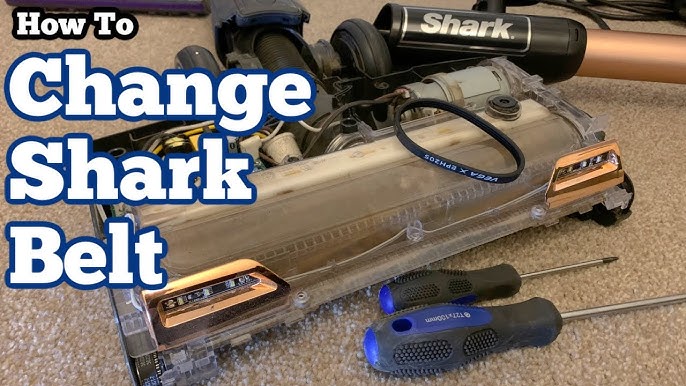
| Brush roll stops spinning | Severe tangle, belt break, or motor issue. The self-cleaning system can be overwhelmed by very large debris. | Unplug vacuum. Manually remove any major tangles. Check and replace the drive belt if needed. Consult Shark’s official support site for model-specific guides. |
| Hair is still wrapping | Extremely long hair or thick threads. The system is working but may leave a small residual wrap. | This is normal for some models. A quick monthly manual removal of the thin remaining wrap is often all that’s needed. |
| Loud grinding noise | Foreign object (like a coin or rock) stuck in the brush roll or chamber. | Immediately turn off the vacuum. Remove the brush roll and clear any obstruction. |
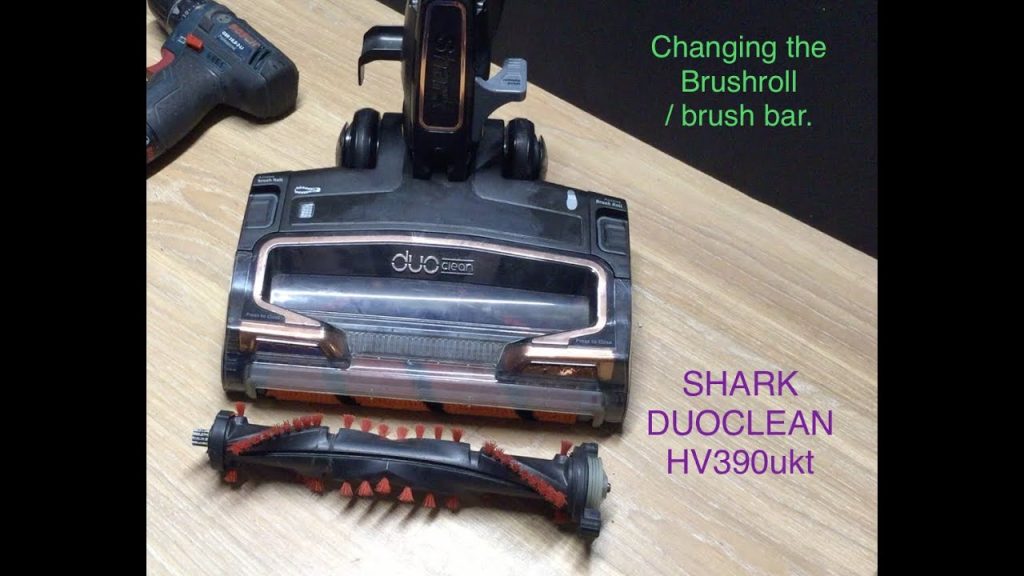
If you need a replacement brush roll or other parts, they are widely available through Shark’s website, Amazon, and authorized retailers. Always check your model number. Also, remember that proper use is covered under Shark’s warrantymisuse or failure to clear major blockages typically is not.
Self-Cleaning vs. Other Systems and Brands
It’s fair to ask: does Shark self-cleaning brush roll really work compared to others? Different brands tackle the hair problem in different ways.
Shark vs. Dyson: Dyson often uses a different approach, like brush bars with anti-static carbon fiber filaments to repel hair, or in some cordless models, a “hair screw” tool that physically removes wraps. Shark’s in-nozzle, suction-driven method is often seen as more integrated into the main cleaning process.
Shark vs. iRobot (Robot Vacuums): Many robot vacuums, including Shark’s own best automatic self-emptying Shark vacuums, now feature rubber extractors instead of bristled brush rolls. These are naturally more resistant to tangles but may offer different agitation on carpets.
The Shark self-cleaning brush roll vs regular brush roll debate is clear-cut. The self-cleaning version saves significant time and hassle. When comparing across brands, it comes down to the specific implementation and which secondary features you value.
So, is the self-cleaning brush roll a marketing gimmick? For most users, especially those with pets or long hair, it’s a genuinely useful innovation. It turns a persistent pain point into a mostly solved problem. You get a vacuum that maintains its own core cleaning function, letting you focus on the cleaning itself, not the maintenance. The technology delivers on its promise of a hair-free brush roll for longer periods, making your routine simpler and more effective. Just remember to give it a quick visual check now and theneven the best automatic cleaning systems appreciate a little oversight.