You’ve noticed your Shark Navigator’s roller brush isn’t working. It’s a common and frustrating problem, but it’s almost always fixable. Before you consider a costly replacement, a few simple checks can often get your vacuum cleaning effectively again.
This guide will walk you through a calm, step-by-step process. We’ll cover everything from simple cleaning to part replacement. For many users, a worn-out brush roll is the ultimate culprit, and a high-quality replacement like the Klypticfit Roller Brush can be a reliable and affordable solution to restore full performance.

Common Symptoms and What They Usually Mean
Your vacuum’s behavior gives you the first clues. Identifying the symptom helps you target the right fix.
The Roller Brush Is Not Spinning
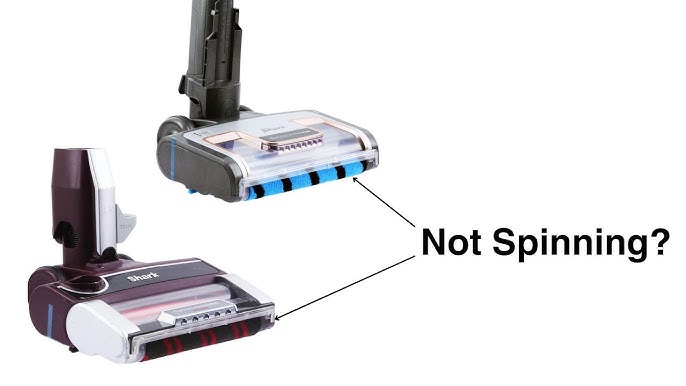
This is the most reported issue. The vacuum runs, but the brushroll doesn’t turn. Common causes are a broken drive belt, a severe clog in the brush chamber, or an obstruction wrapped around the brush axle. Sometimes, the motor that drives the brush has failed, but this is less common than a simple blockage or belt issue.
The Brush Roll Stopped Working Suddenly
It was working fine, then it just quit. This often points to a snapped drive belt or a foreign object like a sock or cord jamming the mechanism. A sudden stop after a loud “pop” or “snap” is a classic sign of belt failure.
Your Shark Navigator Vacuum Roller Is Making a Loud Noise
Grinding, screeching, or rattling sounds are telling. Grinding often means debris is caught between the brush and its housing. A high-pitched squeal can indicate a worn or slipping belt. Rattling suggests something is loose, like damaged end caps on the brush itself.
Step-by-Step Troubleshooting and Diagnosis
Follow these steps in order. Start with the simplest solutions before moving to more involved repairs.
Step 1: Safety First and Initial Inspection
Always unplug the vacuum. Flip it over to examine the brush roll chamber. Manually try to spin the brush with your hand. Does it turn freely? Look for obvious obstructions: hair, string, carpet fibers wound tightly around the ends. Clear anything you see.
Step 2: Perform a Full Brush Chamber Clean-Out
A deep clog isn’t always visible from the outside. Most Shark Navigator models (like the NV352 or NV356) have a simple latch or clips to open the bottom plate.
- Release the latches and remove the bottom plate.
- Lift out the entire brush roll assembly.
- Use scissors to carefully cut away all wound debris from the brush and its axle.
- Check the brush chamber opening for packed dirt and remove it.
This alone solves many cases of a brush roll not spinning.
Step 3: Inspect the Drive Belt
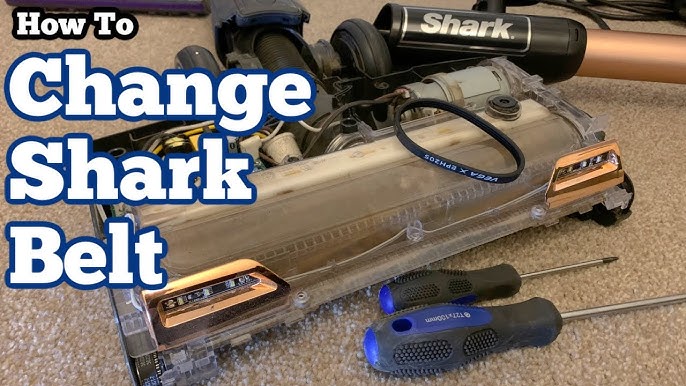
With the brush roll removed, locate the belt. It’s a small, stretchy band that connects the brush axle to the motor drive. Look for signs of wear:
- Is it stretched out or loose?
- Is it cracked, melted, or broken?
- Is it properly seated on the motor spindle?
A worn belt cannot transfer power from the motor to the brush, causing it to stop. Belt replacement is a common, straightforward fix.
Step 4: Check the Brush Roll and End Caps
Examine the brush roll itself. The plastic end caps that allow it to spin in the housing are common failure points. If they are cracked or broken, the brush will wobble, make noise, or not spin at all. Also, ensure the brush bristles aren’t completely worn down.
Step 5: The Roller Reset
Some Shark models have a thermal overload protector for the brush roll motor. If it overheats, it shuts off. Unplug the vacuum and let it sit for 45-60 minutes to cool down completely. Plug it back in and test. This simple roller reset can sometimes bring it back to life.
How to Clean and Maintain the Roller Brush
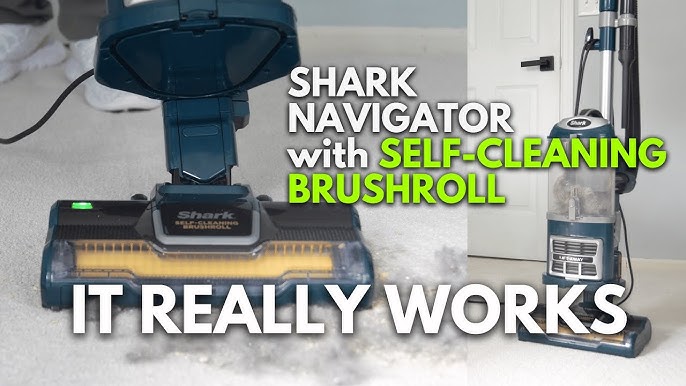
Regular maintenance prevents most problems. Aim to clean the brush roll every month, or more often if you have pets or long hair.
- Unplug the vacuum. This cannot be overstated.
- Remove the brush roll as described in the troubleshooting section.
- Use scissors or a seam ripper to cut away wrapped fibers. Never pull on threads wound around the axle, as this can damage the bearings.
- Wipe down the brush chamber with a dry cloth.
- Check the belt for tension and wear during each cleaning.
This routine significantly extends the life of all components and keeps suction optimal. For a deeper dive into maintaining your specific model, our guide to the best Shark Navigator upright with HEPA filter includes detailed care tips for the filtration system as well.
Identifying and Replacing Worn Parts
If cleaning and resetting don’t work, a part likely needs replacing. Heres how to identify what you need.
Finding Your Model Number
This is crucial. The model number (e.g., NV356E, NV352) is usually on a sticker on the back or bottom of the vacuum’s main body. Use this number when searching for parts to ensure compatibility.
Replacing the Drive Belt
Belts are inexpensive and wear out with normal use. Replacement kits often include a new belt and sometimes a tool. The process typically involves:
- Removing the old belt from the motor spindle and brush axle.
- Stretching the new belt onto the motor spindle first.
- Then, carefully stretching it over the brush roll axle, ensuring it’s seated in the groove.
Refer to a visual guide, like those on iFixit’s vacuum cleaner repair section, for model-specific belt routing.
Replacing the Brush Roll
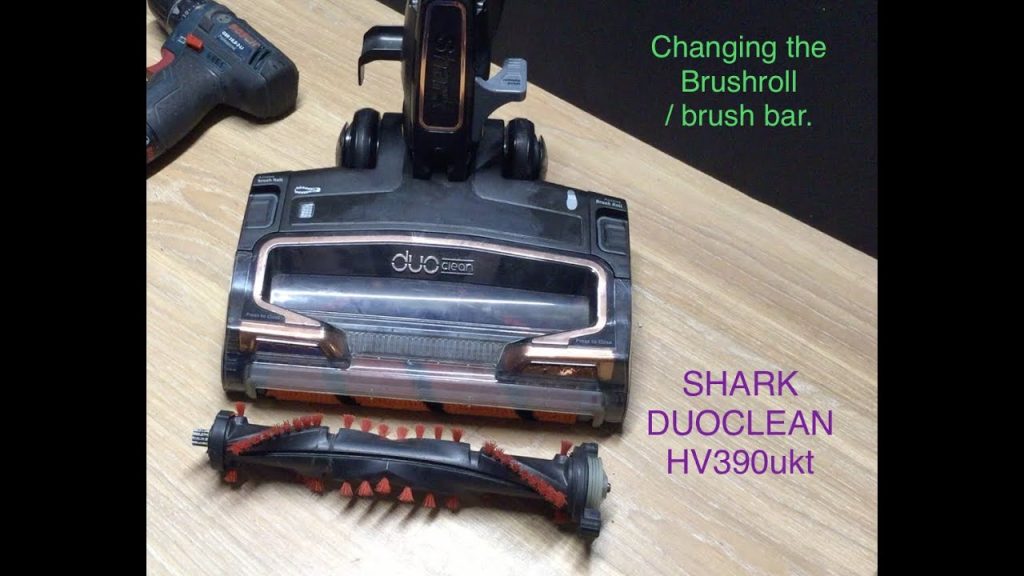
If the brush bristles are worn or the end caps are broken, you need a new brush roll. Aftermarket options, like the Klypticfit Roller Brush mentioned earlier, are often more affordable than OEM parts and work just as well for common models.
To replace it:
- Remove the old brush roll and its belt.
- Thread the new belt onto the new brush roll’s axle.
- Insert one end of the brush into its housing slot.
- Stretch the belt onto the motor spindle, then seat the other end of the brush.
- Replace the bottom plate and secure the latches.
When choosing a new brush roll, consider the features of different Navigator models. Our review of the best Shark Navigator Lift-Away vacuums explains how brush design can vary between the classic upright and lift-away versions.
| Symptom | Likely Cause | Primary Fix |
|---|---|---|
| Brush not spinning, no noise | Broken drive belt or severe clog | Replace belt or clear obstruction |
| Loud grinding noise | Debris in brush housing or broken end caps | Clean chamber or replace brush roll |
| Intermittent spinning | Worn belt or partial clog | Clean thoroughly and inspect belt |
| Burning smell | Belt slipping or motor strain | Immediately unplug, check for jams |
When to Seek Professional Repair
Most roller brush issues are DIY-friendly. However, consider professional help if:
- After replacing the belt and brush, the roller still doesn’t spin. This could indicate a failed brush roll motor.
- You hear unusual noises coming from the main vacuum motor, not just the brush area.
- You’re uncomfortable with disassembly or can’t identify the problem after basic troubleshooting.
- The vacuum is still under warrantytampering might void it.
A local appliance repair shop or an authorized Shark service center can provide a definitive diagnosis. For motor-related issues, the cost of professional repair may be comparable to replacing an older vacuum.
A non-working roller brush on your Shark Navigator is a setback, but rarely a terminal one. The solution usually lies in a thorough cleaning, a simple belt swap, or a brush roll replacement. By methodically working through the symptomsstarting with the easiest fixes firstyou can save time and money. Regular maintenance is your best defense against future problems. Keep the brush chamber clear, and your Navigator will likely return to reliable service for years to come.