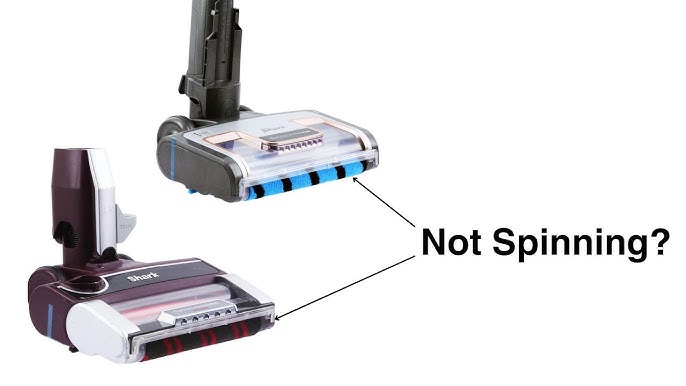
Your Shark NV22LN Navigator is a workhorse, designed to handle daily messes with ease. But when its central brushroll stops spinning, you’re left pushing a glorified air mover across your carpet. It’s a common and frustrating problem. Don’t worrymost brush issues are fixable at home with a few simple steps and a bit of patience.
Before you assume the worst, like a full brushroll or motor check, start with the basics. Often, the solution is simpler than you think. For instance, if you’re dealing with a lot of hair or thread, having the right tool can make maintenance easier. Many users find that a dedicated tool like the Side Brush Shark helps with detailed cleaning of the brushroll ends, preventing future jams.

Common Reasons Your Shark NV22LN Brush Isn’t Working
The brushroll assembly is a mechanical system. When it fails, it’s usually due to one of a few specific issues. Understanding these will guide your troubleshooting.
1. Debris Clog: The Most Frequent Culprit
A debris clog is public enemy number one. Hair, string, carpet fibers, and other materials can wrap so tightly around the brushroll and its bearings that it physically cannot spin. This is especially common in homes with pets or long-haired residents. The clog might be visible on the ends or hidden underneath.
2. A Worn or Broken Drive Belt
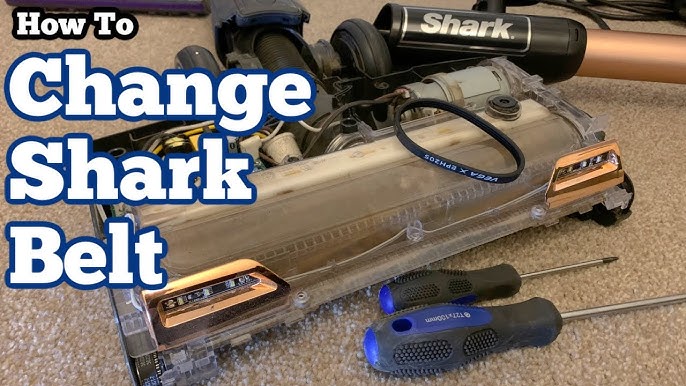
The brushroll is powered by a rubber drive belt connected to the motor. Over time, this belt can stretch, snap, or slip off its track. If the vacuum sounds like it’s running but the brush isn’t moving, the belt is a prime suspect. It’s a consumable part meant to be replaced periodically.
3. Brushroll Obstruction or Damage
Beyond wraps, a large object like a sock, coin, or piece of plastic can jam the brushroll mechanism. The brushroll itself can also break if a hard object is sucked up, cracking the plastic housing or bending the axle.
4. Suction Path or Switch Failure
The NV22LN has a switch that activates the brushroll when you tilt the handle into cleaning mode. If this switch fails or the electrical connection is loose, power won’t reach the brush motor. Similarly, a major clog in the main suction path can cause the vacuum to overheat and shut off the brush motor as a safety precaution.
5. Brush Motor Failure
This is the least common but most serious issue. The brush motor can burn out from a severe clog, old age, or electrical fault. You might hear a humming sound or smell a burning odor when you try to engage the brush.
Step-by-Step Troubleshooting Guide
Follow these steps in order. Start simple and work toward the more involved fixes.
Step 1: Safety First & Initial Inspection
Always unplug the vacuum before any inspection or repair. Flip it over and examine the brushroll area. Can you see a massive hair wrap or a foreign object? Manually try to spin the brushroll with your hand. If it doesn’t budge, you have a severe clog or jam.
Step 2: Clean the Brushroll Assembly Thoroughly
If the brushroll moves but is dirty, perform a deep clean. You’ll need to remove the brushroll.
- Locate the screws or clips on the bottom plate covering the brushroll.
- Remove the plate. You may need a screwdriver.
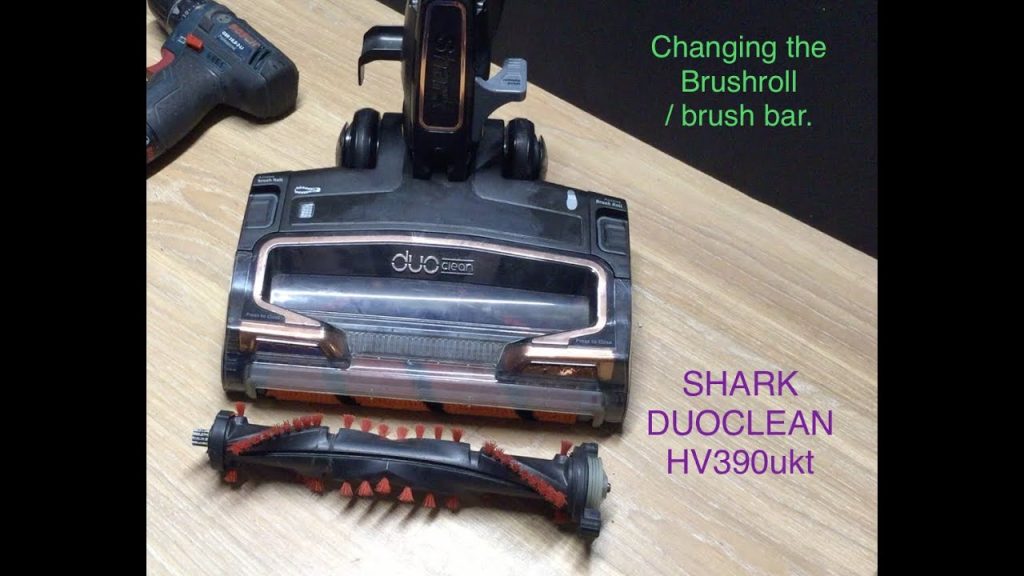
- Lift out the brushroll. Use scissors or a seam ripper to carefully cut away all wrapped debris from the brushroll and its end bearings.
- Clear any debris from the brush chamber.
- Check that the end bearings spin freely. Reassemble and test.
Regular cleaning brushroll maintenance is the best prevention. For vacuums that handle this automatically, you might explore options like the best Shark vacuum with a self-cleaning brushroll to minimize this chore in the future.
Step 3: Inspect and Replace the Drive Belt
If cleaning didn’t work, check the belt. With the brushroll removed, look at the motor pulley. The belt should be snug and intact.
- Belt replacement is straightforward. New belts are inexpensive and often come with instructions.
- Slide the old belt off the motor pulley and brushroll axle.
- Stretch the new belt onto the brushroll first, then hook it onto the motor pulley. Ensure it’s seated in the tracks properly.
Step 4: Check the Toggle Switch and Electrical Connections
Listen closely. When you tilt the handle, do you hear a distinct “click” from the foot of the vacuum? That’s the brushroll switch engaging. No click could mean a switch problem. This requires opening the vacuum head to inspect wires and the switchconsult your manual for access points.
Step 5: Conduct a Basic Motor Check
If all else fails, the brush motor might be the issue. After reassembling with a clean brushroll and new belt, plug in the vacuum and tilt the handle. Listen for a humming from the brush area and feel for vibration. Humming without movement suggests the motor is trying but is seized or obstructed. No sound or smell points to electrical failure. Be aware that complex electrical diagnostics may void your warranty.
How to Clean and Maintain the Brushroll
Preventative care is key. A clean vacuum is a happy, effective vacuum.
- Monthly Deep Clean: Make brushroll removal and cleaning a monthly habit. It takes 10 minutes.
- Pre-Check Floors: Quickly scan for loose strings, cords, or large debris before vacuuming.
- Use the Right Tools: Keep scissors and a seam ripper in your cleaning caddy. For persistent hair problems, consider a model built for the job, like the best anti-wrap Shark vacuum for long hair.
- Inspect the Belt: Every few months, check the belt for signs of fraying, cracking, or looseness.
When to Replace the Brushroll vs. Repair
Not every problem requires a new part. Heres how to decide.
| Symptom | Likely Fix | Part Needed |
|---|---|---|
| Brushroll slows or stops, wrapped with hair | Clean | None |
| Brush doesn’t spin, belt looks stretched/broken | Belt Replacement | Drive Belt |
| Brushroll spins unevenly, fins are broken/melted | Brushroll Replacement | New Brushroll Assembly |
| Clicking/grinding noise from brush area | Clean or Replace Bearings/Brushroll | Brushroll or Bearings |
| No sound or hum from brush area, burning smell | Motor Check/Replacement | Potentially New Brush Motor |
Replacement brushrolls and belts are readily available online. Ensure you get the correct part number for the NV22LN model.
Professional Repair Options and When to Use Them
DIY has its limits. Knowing when to call a pro saves time, money, and frustration.
Seek professional repair if:
- You’ve performed all basic troubleshooting (clean, belt, visual check) and the brush still fails.
- You suspect an internal electrical issue with the switch or wiring and are uncomfortable testing it.
- The brush motor needs replacement. This is a soldered electrical component often requiring specialist tools.
- Your vacuum is still under warranty. DIY disassembly beyond basic cleaning can void warranty coveragealways check your terms first.
For detailed, community-driven repair guides that go beyond basic steps, including soldering and component-level fixes, an excellent resource is the comprehensive library at iFixit’s Vacuum Cleaner repair section.
A non-spinning brushroll on your Shark NV22LN is a setback, not a death sentence. Start with a thorough cleaningyou’d be surprised how often that’s the fix. Move systematically through belt inspection and simple checks before fearing a motor failure. Regular maintenance is your best defense against future headaches. When in doubt, or if your vacuum is under warranty, there’s no shame in seeking professional help. Your goal is a working vacuum, and with this guide, you’re well-equipped to make that happen.