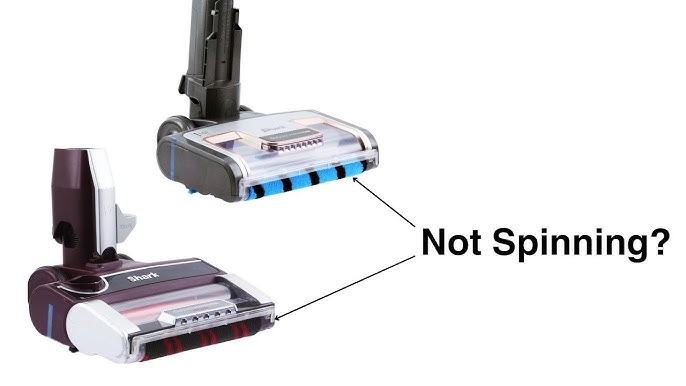
Your Shark vacuum’s brush roll is the workhorse. It’s what agitates carpet fibers and pulls up embedded dirt. So when you see that reassuring green indicator light but the roller is completely still, it’s a specific kind of frustrating. The light says “go,” but the machine says “no.” Don’t panic. This is a common, and often fixable, problem.
That green light means the vacuum’s sensor detects the brush roll assembly is correctly installed. It’s not a motor health indicator. The issue is almost always a mechanical blockage or a worn part preventing motion. You need to act fast. A stalled brush roll under power can overheat the motor. Let’s get your vacuum working again. For many of these fixes, having the right part on hand is key. If your diagnostics point to a worn-out roller, a Replacement Parts BrushRoll is the definitive solution.

Immediate Diagnostic Steps: Stop, Look, Listen
First, power off and unplug the vacuum. Safety is non-negotiable. Flip it over. Your mission is a visual and physical inspection.
- Check for Large Debris. Manually spin the brush roll with your hand. Does it move freely? Look for hair, string, or carpet fibers wound tightly around the ends of the roller. These are the most common culprits for a brush roll stuck.
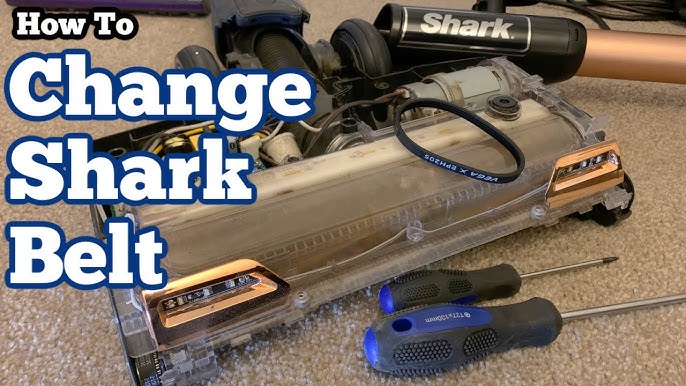
- Inspect the Belt. Locate the drive belt connecting the motor to the brush roll. Is it intact? Is it stretched, frayed, or melted? A broken belt is a direct cause of a brush roll not spinning.
- Listen for Motor Sound. With the vacuum upright and powered on (brush roll access closed), do you hear the motor whirring? If the motor runs but the brush doesn’t move, the problem is downstreambelt or blockage. No motor sound points to an electrical issue.
Why the Green Light Lies (And What It Really Means)
Think of the green indicator light as a simple switch. It’s triggered when the brush roll compartment is locked into place correctly. It doesn’t monitor rotation, torque, or belt integrity. A Shark vacuum brush roll green light meaning is simply “assembly installed.” This is why troubleshooting a Shark vacuum when brush roll stops spinning starts with mechanics, not electronics.
Common Causes of Brush Roll Failure
Once you’ve done the quick check, you likely fall into one of these categories. Address them in this order.
1. Debris Clog: The Silent Killer
Hair, thread, and wool are the arch-nemeses of any vacuum brush roll. They wrap around the ends, creating a thick band that seizes the bearing. This is the number one reason for a green light on but not working scenario. A severe cleaning clog in the hose or airpath can also create backpressure that stalls the roller.
2. Drive Belt Failure
The belt is a consumable part. It wears out. Over months of use, heat and friction cause it to stretch, lose grip, or snap. A visual belt inspection is crucial. Compare it to a new belt if you have one. It should be snug, not loose or glossy.
3. Obstruction in the Brush Roll Chamber
Beyond wrapped debris, check the chamber itself. A large object like a Lego, marble, or coin can jam the brush roll. Also, inspect the brush roll paddles for damage. A broken paddle can catch on the housing.
4. Motor or Electrical Issues (Less Common)
If the motor isn’t humming, the problem is more serious. It could be a faulty connection where the brush roll assembly plugs into the vacuum body (an often-missed entity in guides). For cordless models, ensure the battery is fully charged. A failing motor will usually make a buzzing or clicking noise before it dies.
Step-by-Step Cleaning & Unjamming Procedure
This is your DIY action plan. Follow these steps to solve why is my Shark brush roll light green but not moving.
Total Brush Roll Clog Removal
- Access the Roller. Release the latches on the bottom plate of your Shark vacuum. Refer to your manual for model-specific steps.
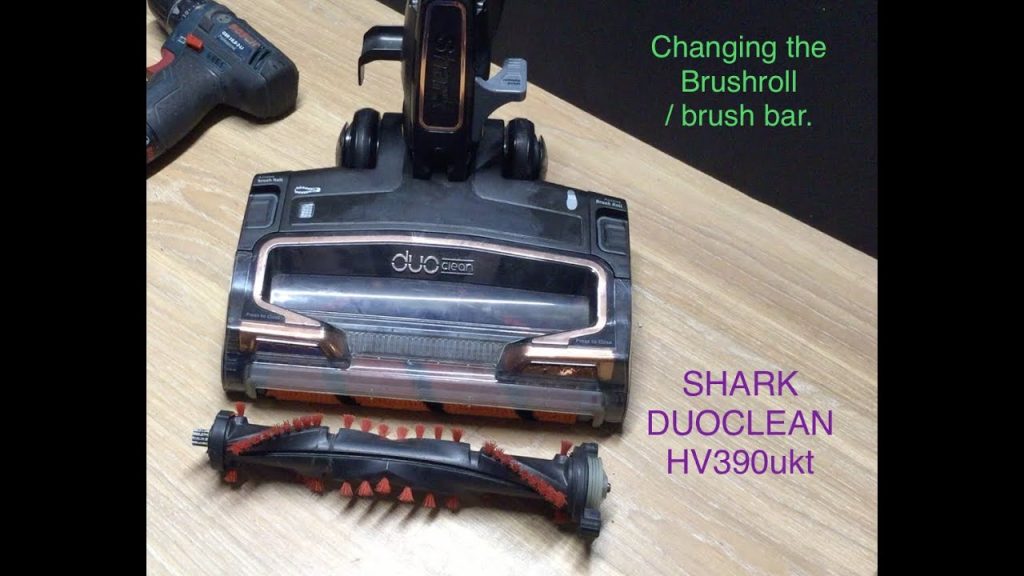
- Remove the Brush Roll. Typically, you’ll slide out the end caps or press tabs to free the roller from its housing.
- Cut and Clear. Use scissors or a seam ripper to carefully cut through wound debris. Pull all material away from the bearings at both ends. Be thorough.
- Clean the Housing. Wipe out the entire brush roll chamber. Remove any hair or dirt from the belt path and motor pulley.
- Reassemble and Test. Reinsert the brush roll, ensuring it spins freely by hand before snapping the cover back on. Power up.
Regular cleaning brush roll maintenance is the best prevention. Make it part of your monthly vacuum maintenance routine, especially if you have pets or long hair.
How to Perform a Belt Inspection and Replacement
If cleaning doesn’t work, the belt is next. Replacement belts are model-specific and inexpensive.
- With the brush roll removed, locate the belt on the motor pulley.
- Remove the old belt. Note how it’s routed.
- Stretch the new belt onto the motor pulley first.
- Then, stretch it over the end of the brush roll shaft.
- Reinstall the brush roll assembly, ensuring the belt is seated correctly in the channel.
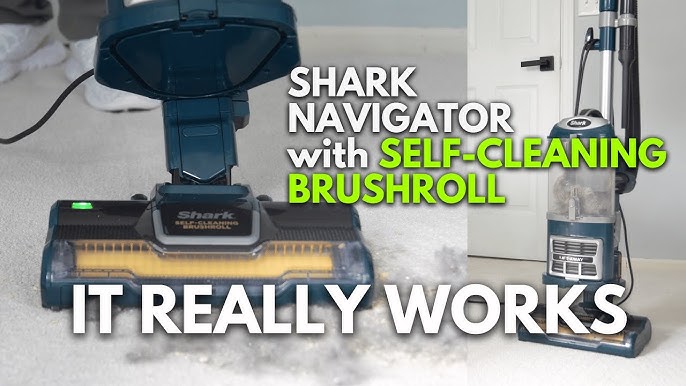
Pro tip: If your model is prone to belt issues, consider upgrading to a Shark vacuum with a self-cleaning brushroll. These models dramatically reduce hair wrap, extending belt and roller life.
When to Replace Parts vs. Seek Professional Help
You can handle most blockages and belt swaps. But know your limits.
DIY These Parts:
- Brush Roll: If bearings are shot or paddles are broken, order a new one. The Replacement Parts BrushRoll is a direct fix.
- Drive Belt: Always replace in pairs if your model uses two.
- Pre-Motor Filters: Clogged filters strain the motor. Wash or replace them monthly.
Seek a Professional Diagnosis For:
- Motor Issues: If the motor is silent or smells burnt. Internal motor repair is complex.
- Electrical Faults: Problems with wiring, switches, or the main PCB require a Shark vacuum repair technician.
- Persistent Problems: If you’ve cleaned and replaced the belt but the issue returns immediately, a deeper mechanical fault is likely.
For detailed, community-driven repair guides for all brands, an excellent resource is iFixit’s vacuum cleaner repair section.
Preventive Maintenance Schedule
Avoid future headaches. Stick to this simple calendar.
| Frequency | Action | Prevents |
|---|---|---|
| After Every Use | Check for and remove large debris from brush roll ends. | Major hair wrap. |
| Monthly | Full brush roll removal and deep clean. Inspect belt. | Brush roll not turning, belt failure. |
| Every 3-6 Months | Wash all filters (post-motor and HEPA). Check hose for clogs. | Loss of suction, motor strain. |
| Every 12-18 Months | Replace drive belt (or as needed). | Sudden brush roll failure. |
This is especially critical for high-debris homes. If you’re constantly battling pet hair, a model like the best Shark vacuum for cat litter is built with stronger suction and anti-tangle tech for these exact scenarios.
You Can Fix This
A green light on a motionless brush roll is a mechanical cry for help, not an electrical ghost. Start with the simple fix: clear the debris. Move to the belt. These two actions solve the vast majority of Shark vacuum problems with the brushroll. Your vacuum is designed for this maintenance. Have the right toolsscissors, a new belt, maybe a Replacement Parts BrushRolland you’re back in business in under 30 minutes. If the motor itself has failed, that’s your signal for a professional diagnosis. But don’t assume the worst. Roll up your sleeves and check the obvious first. Your vacuum will thank you.