Your Shark Navigator Professional is a workhorse. It’s designed to handle daily messes with ease. But when it stops picking up hair, frustration sets in quickly. You’re left pushing the vacuum back and forth, watching strands tumble away instead of getting sucked in.
This is a common headache, especially in homes with pets or long-haired residents. The good news? The problem is almost always fixable. You don’t need to be an engineer. With a few simple checks and some routine maintenance, you can restore your vacuum’s suction power and get back to a clean floor. Often, the fix is as simple as a deep clean of the brush roll.

Common Reasons Your Shark Navigator Isn’t Picking Up Hair
Before you dive into disassembly, understand the usual suspects. Hair is tricky because it’s lightweight yet tangles relentlessly. When your Shark Navigator professional troubleshooting leads to hair-related issues, it typically boils down to a few key areas.
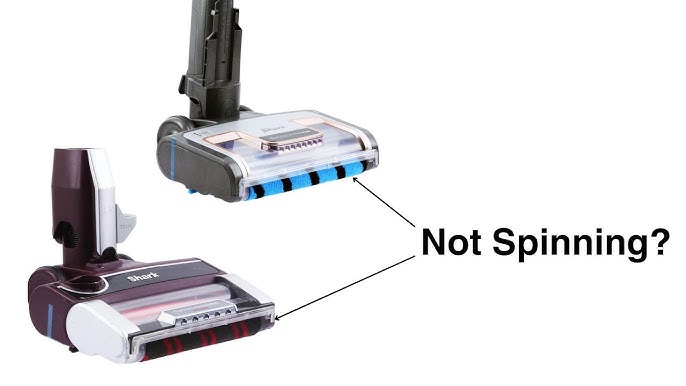
First, a severely wrapped brush roll (or beater bar) is the prime culprit. Hair and thread wind around the ends and shaft, creating a thick barrier. This physically prevents the brush from spinning. No spin, no agitation to lift hair from carpets.
Second, a clog is a silent killer of performance. Hair can accumulate in the suction pathpast the brush roll chamber, in the hose, or at the entrance to the dust cup. This creates a blockage that drastically reduces airflow.
Third, dirty or wet filters choke your vacuum’s engine. The HEPA filter and pre-motor filter are essential for trapping fine dust. When they’re saturated, air can’t flow through. Your vacuum might sound like it’s working harder, but the suction power at the floor head is gone.
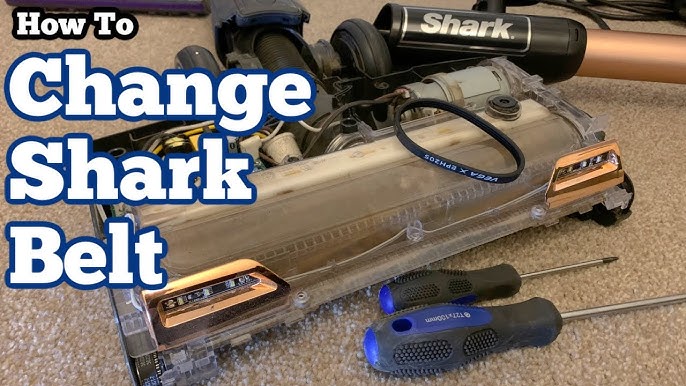
Finally, a worn or broken belt will stop the brush roll from turning. Belts are consumable parts. Over months of use, they stretch, fray, or snap. If your brush roll isn’t spinning at all, even after clearing hair, the belt is your next check.
When a Replacement Brush Roll Makes Sense
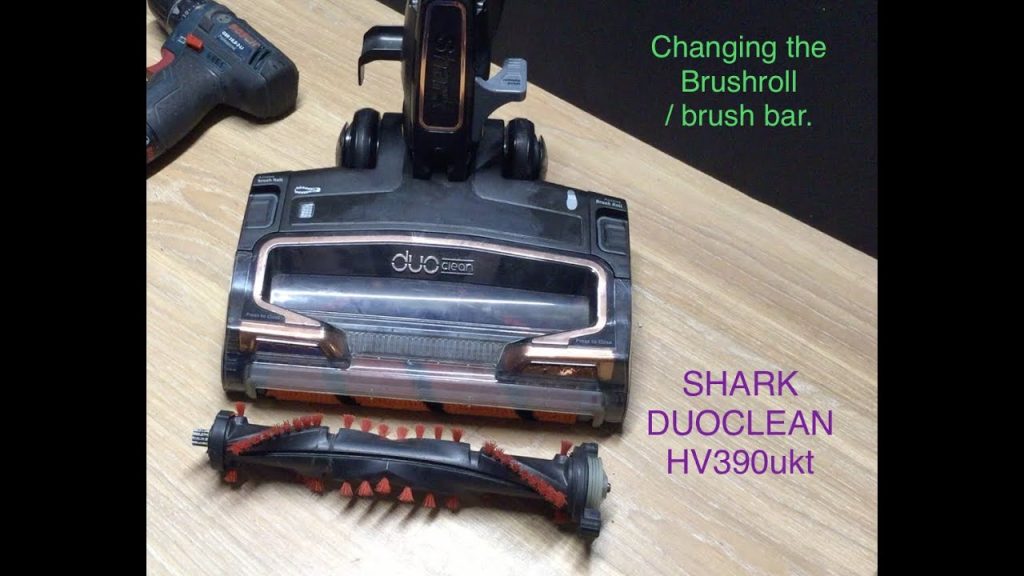
Sometimes, cleaning isn’t enough. If the brush roll bristles are worn down to nubs or the bearings are shot, it’s time for a new one. For a durable upgrade that resists hair wrap, many users have success with the 53270A Metal Brush. Its design can help mitigate future tangles, making it a smart investment if you’re constantly battling long hair.
Step-by-Step Troubleshooting Guide
Follow this logical sequence to diagnose why your Shark vacuum brush roll is not spinning or why suction is weak. Always unplug the vacuum before starting any maintenance.
1. The Visual and Physical Inspection
Start with the obvious. Flip the vacuum over and examine the brush roll chamber. Can you see a thick mat of hair? Try to manually spin the brush roll with your fingers. Does it turn freely, or is it locked up?
- If it’s locked: You have a severe hair/thread wrap. Proceed to the brush roll cleaning section below.
- If it spins but doesn’t turn on: The drive belt is likely the issue. You’ll need to access it for inspection.
- If it spins freely when on: The problem might be a clog or filter issue further up the line.
2. Checking for Clogs in the Suction Path
A full clogged hose or airway will stop debris in its tracks. Here’s how to check:
- Remove the dust cup and empty it. Look inside the cavity where the cup sits for debris.
- Detach the hose from both the vacuum body and the floor head if your model allows. Shine a flashlight through it. You can use a long, flexible object (like a broom handle) to gently push out blockages.
- Inspect the opening at the top of the floor head where the hose connects. Hair often balls up here.
Clearing these pathways often solves the mystery of “why is my Shark Navigator Professional not picking up hair” instantly.
3. The Filter Cleaning Ritual
This is non-negotiable for maintaining suction power. Most Shark Navigator models have two filters: a foam pre-motor filter and a felt/fabric HEPA filter. Consult your manual for exact locations.
- Remove both filters. Tap them gently to dislodge loose dust.
- Wash them under lukewarm water. Use your hands to gently squeeze the foam filter. Never use soap or detergents.
- Let them air-dry completely for at least 24 hours. Putting a damp filter back is a surefire way to cause motor damage and zero suction.
Regular filter cleaning is the simplest form of preventive vacuum maintenance you can do.
How to Clean and Maintain the Brush Roll
This is the core task for fixing a Shark Navigator that won’t pick up hair. The process is similar across many NV series models (like NV352, NV501, etc.).
- Access the brush roll: Flip the vacuum. Look for two latches or screws on the bottom plate covering the brush roll. Release them and remove the plate.
- Remove the brush roll: You may need to lift tabs on each end of the brush roll to slide it out of its housing.
- Cut and remove hair: Use scissors or a seam ripper to carefully cut through the hair wrapped around the ends and shaft. Pull all the material away. Don’t cut the bristles.
- Clear the chamber: Use the scissors to pull any hair out of the brush roll chamber itself. Check the belt and the belt drive for debris.
- Reassemble: Slide the clean brush roll back in, ensuring the belt is correctly positioned on the motor drive. Replace the bottom plate and secure the latches.
For a visual guide on this and other complex disassembly steps, iFixit’s vacuum cleaner repair guides are an excellent resource.
Checking and Replacing Filters for Optimal Suction
Think of filters as your vacuum’s lungs. When they’re clogged, the machine can’t breathe. Beyond cleaning, know when to replace them.
| Filter Type | Cleaning Frequency | Replacement Sign |
|---|---|---|
| Pre-Motor (Foam) | Every month | Permanent discoloration, tears, or failure to regain shape |
| Post-Motor (HEPA) | Every 3-6 months | Visible damage, persistent odor, or reduced suction after cleaning |
Using genuine Shark filters is recommended. Off-brand filters might not seal properly, allowing fine dust to bypass and potentially damage the motor. This is a key detail often missed in basic troubleshooting guides.
When to Seek Professional Repair vs. DIY Fix
Most Shark Navigator professional suction problems are DIY-friendly. But there are limits. Consider professional help if:
- You’ve cleared all clogs, cleaned all filters, and verified the brush roll and belt are working, but suction power is still weak. This could indicate a motor issue.
- You hear unusual grinding, screeching, or burning smells from the motor.
- The vacuum simply won’t turn on.
Warranty Note: If your vacuum is still under warranty, check Shark’s policy before performing major disassembly. Some DIY repairs, like opening the motor housing, can void the warranty. For simpler models with recurring hair issues, you might consider upgrading to a model designed for the task, like the best anti-wrap Shark vacuum for long hair.
Sometimes, the issue isn’t with the vacuum itself but with its suitability for your home’s layout. If you’re dealing with a multi-story house, a model from our list of the best Shark Navigator Lift-Away vacuums might offer more versatile cleaning and easier maintenance access.
How It Compares to Other Brands
You’re not alone. Hair wrap plagues all upright vacuums with motorized brush rolls, from Dyson to Bissell. The fundamental principles of vacuum maintenancecleaning the brush roll, checking for clogs, washing filtersare universal across these bagless vacuums. The advantage of the Shark Navigator design is often its relative ease of access to the brush roll compared to some competitors.
A Shark Navigator Professional that’s not picking up hair is almost always asking for a little care. Start with the brush roll. Check for clogs. Wash those filters. These simple acts solve the vast majority of problems. Consistent maintenance is far cheaper than a repair bill or a new vacuum. Make it a habit every few months, and you’ll keep your floors clean and your vacuum running strong for years. Your machine will thank you.