Your Shark Navigator has stopped working. It’s a frustrating situation, especially when you need to clean. Take a moment. Most issues have straightforward solutions you can handle yourself before considering a costly repair or replacement.
This guide walks you through systematic shark navigator troubleshooting. We’ll cover common symptoms, from a complete power failure to gradual suction loss. You’ll find clear, step-by-step instructions. For many clogs and maintenance tasks, having the right replacement parts on hand saves time. Many users find that keeping a 2 4 Pack of filters is helpful for maintaining peak performance.

Common Shark Navigator Problems and Symptoms
Identifying the specific symptom is the first step to a fix. Your vacuum’s behavior gives you the best clues. Here are the most frequent shark vacuum problems reported by users.
Power and Operational Issues
These are often the most alarming problems, as the vacuum seems completely unresponsive.
- Shark Navigator won’t turn on: The power button does nothing. No lights, no sound.
- Power cuts out intermittently during use.
- Error codes flashing on the display (common in newer Shark Navigator Professional models).
- The power button not working feels loose or unresponsive.
Performance and Suction Problems
Your vacuum runs, but it’s not cleaning effectively. This category includes the common complaint, “why is my shark navigator not picking up dirt?”
- Visible suction loss where the vacuum no longer pulls debris from the floor.
- It runs but leaves behind dirt, sand, or pet hair.
- A high-pitched whistling or screaming noise indicates an airflow blockage.
- Debris is blown back out onto the floor.
Brush Roll and Mechanical Failures
These issues relate to the moving parts that agitate and sweep debris.
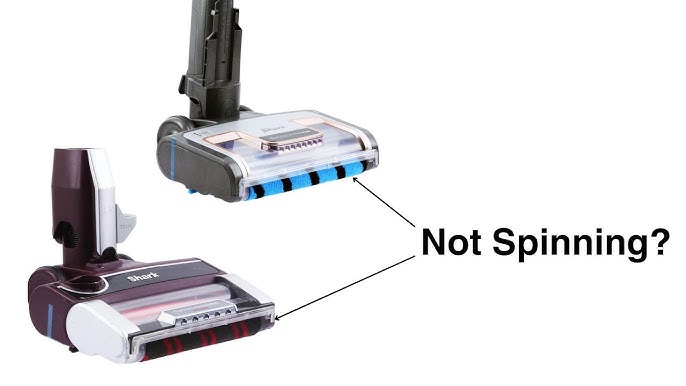
- The shark vacuum brush roll not spinning at all.
- Brush roll spins slowly or inconsistently.
- A loud grinding or rattling noise comes from the floor head.
- Hair and string are tightly wound around the brush roll, impeding movement.
- Learning how to fix shark navigator brush roll issues often starts with a simple visual inspection.
Step-by-Step Troubleshooting Guide
Work through these steps methodically. Start with the simplest solutions before moving to more involved disassembly.
1. Basic Checks and Resets
Always rule out the easy stuff first. It sounds obvious, but it’s often overlooked.
- Check the power source: Ensure the vacuum is plugged into a working outlet. Try a different outlet to be sure.
- Inspect the cord: Look for any cuts, frays, or damage along the entire length.
- Perform a reset: Unplug the vacuum for at least 60 seconds. This can clear electronic glitches in models like the Shark Navigator NV352.
- Verify the floor selector switch (if your model has one) is set correctly for your floor type.
2. Diagnosing and Clearing Clogs
A clog is the single most common cause of suction loss. Shark vacuums have a long airflow path that can get blocked.
- Empty the dust cup. Do this over a trash can, as a overfull cup restricts airflow.
- Check the hose and wand. Detach the hose from both the vacuum body and the floor head. Shine a flashlight through it or use a long, flexible object to check for blockages. The Shark Navigator Lift Away design makes this easier.
- Inspect the suction inlet on the vacuum body where the hose connects.
- Clear the floor head. Remove the bottom plate to access the area behind the brush roll. Remove any packed debris, hair, or string.
For detailed disassembly visuals, a site like iFixit’s vacuum cleaner repair guides can be an invaluable external resource.
3. Addressing Brush Roll Issues
If your shark vacuum brush roll not spinning, follow this sequence.
- Power off and unplug the vacuum.
- Turn it over and manually spin the brush roll. It should move freely. If it’s jammed, cut away any wound hair or strings.
- Check for a clog in the brush roll chamber, as debris can jam the mechanism.
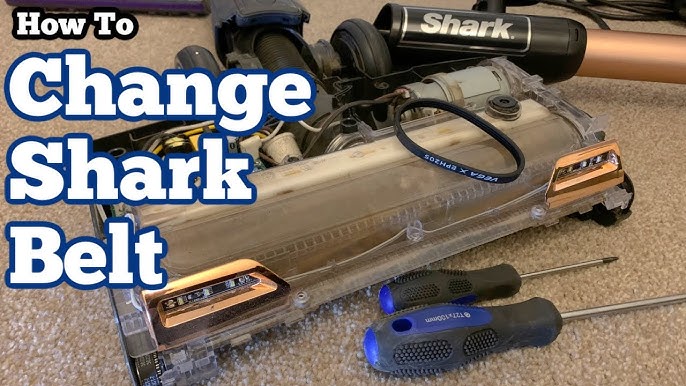
- On some models, a belt drives the brush roll. Inspect it for wear, cracks, or if it has slipped off its track.
- Ensure the brush roll end caps are properly seated and not broken.
If your shark navigator is making loud noise how to fix it often leads you here. A worn bearing or broken brush roll can cause grinding sounds.
Cleaning and Maintenance to Prevent Issues
Regular maintenance is the best way to avoid most shark navigator repair scenarios. It’s simpler than you think.
The Essential Maintenance Routine
Perform these tasks regularly based on your usage. Heavy households may need weekly attention.
- Empty the dust cup before it reaches the “full” line. Never overfill it.
- Clean the filters. This is non-negotiable. A dirty filter is a primary cause of weak suction.
- Clear the brush roll of hair and fibers after every few uses, especially with pets or long hair in the home.
- Wipe down sensors and electrical contacts with a dry cloth to ensure good connections.
Focus on Filter Care
Your Shark Navigator likely has two main filters: a foam pre-motor filter and a HEPA post-motor filter.
- Remove both filters according to your manual.
- Tap them gently to remove loose dust over a trash can.
- Rinse them thoroughly under lukewarm water until the water runs clear. Never use soap or detergents.
- Air dry them completely for at least 24 hours before reinstalling. A damp filter will damage the motor and cause a shark vacuum not working scenario.
Having a spare set of filters, like the 2 4 Pack, allows you to swap in a dry filter immediately while the other set dries.
When to Replace Parts vs. Seek Repair
Not every problem requires a professional. Heres how to decide your next move.
Parts You Can Usually Replace Yourself
These are common wear items designed for user replacement. Using official Shark part numbers ensures compatibility.
| Part | Common Symptoms | Action |
| Filters (HEPA & Foam) | Loss of suction, motor overheating, bad odor. | Replace every 6-12 months or as needed. Regular cleaning extends life. |
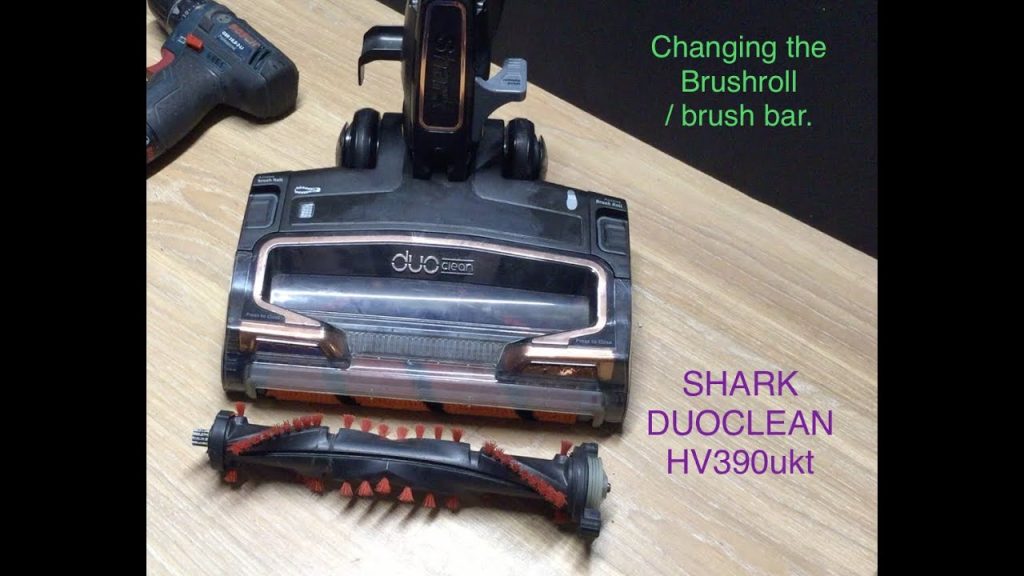
| Brush Roll & Belt | Brush not spinning, burning smell, loud noise from floor head. | Inspect quarterly. Belts stretch and wear; brush rolls can break. |
| Wands & Hoses | Cracks, holes, or sections that won’t lock, causing suction leaks. | Visual inspection for damage. Parts can be ordered separately. |
| Dust Cup/Lid | Cracks, broken latches, or poor sealing. | Replacement restores proper airflow and containment. |
When Professional Repair is the Best Option
Some issues involve the core mechanics or electronics of the vacuum.
- The motor is dead (no sound, no suction, possibly a burning smell).
- Internal wiring or circuit board failure (especially for shark navigator power button not working issues that aren’t the switch itself).
- Major physical damage to the vacuum’s main body.
- If your troubleshooting yields no results and the vacuum is under warranty.
Finding Professional Help and Support
If DIY isn’t solving the problem, structured support is available.
Utilizing Shark Customer Service and Warranty
Start here if your vacuum is relatively new. Have your model number and proof of purchase ready.
- Check your warranty status. Most Shark vacuums come with a 5-7 year limited warranty. The warranty check process can often be initiated on their website.
- Contact Shark customer service. They can provide troubleshooting, authorize a repair, or guide you to an authorized service center.
- Use the official authorized service center locator on Shark’s website. This ensures trained technicians use genuine parts.
Considering Your Options: Repair vs. Replace
This is a practical decision. Compare the cost of a professional repair (parts + labor) to the value of your current model. For older vacuums, investing in a new model with updated technology often makes more sense. If you’re considering an upgrade, reviewing options like the best Shark Navigator Lift-Away vacuums or models with enhanced filtration like the best Shark Navigator upright with HEPA filter can help you make an informed choice.
A non-working vacuum disrupts your routine. The path forward, however, is usually clear. Begin with basic checks and systematic cleaningfocus on filters and clogs. Many performance issues resolve right there. For mechanical failures, identify the specific part. User-replaceable components like belts and brush rolls are manageable projects. When in doubt, leverage Shark’s support structure. Your Navigator is a durable machine. With calm, step-by-step attention, you can often restore its cleaning power and avoid the expense of a premature replacement.