Your Shark Navigator vacuum not picking up dirt is a common frustration. You rely on that powerful suction for clean floors, and when it fades, it feels like a major appliance failure. But before you consider a costly replacement or professional repair, know this: most suction power issues are fixable at home with some basic troubleshooting.
This guide walks you through the exact steps to diagnose and fix your Shark Navigator. We’ll cover everything from simple filter checks to detailed hose clog removal. For those tougher jobs, having the right tools helps. Many DIY enthusiasts find an Upgraded Vacuum Floor nozzle handy for accessing tight spots during a deep clean. Let’s get your vacuum’s performance back.

Common Causes of Shark Navigator Suction Loss
When your Shark vacuum is losing suction power, the problem usually falls into one of a few categories. Upright vacuums like the Navigator are workhorses, but their cyclonic systems and bagless design have specific maintenance needs. The most frequent culprits are clogged filters, a full dust cup, blockages in the hose or attachments, or a tangled brush roll. Sometimes, it’s a combination. Identifying the root cause is your first step toward a solution.
Step-by-Step Troubleshooting Guide
Follow this systematic approach. Start with the easiest fixes and work your way to more involved checks. You’ll likely solve the problem before reaching the end.
- Power Down and Unplug: Always start here for safety.
- Empty the Dust Cup: This seems obvious, but a overfilled cup severely restricts airflow. Empty it completely, even if it doesn’t look full.
- Check for Main Clogs: Visually inspect the path from the floor nozzle to the dust cup. Look for large debris stuck in the neck of the floor head or where the hose connects.
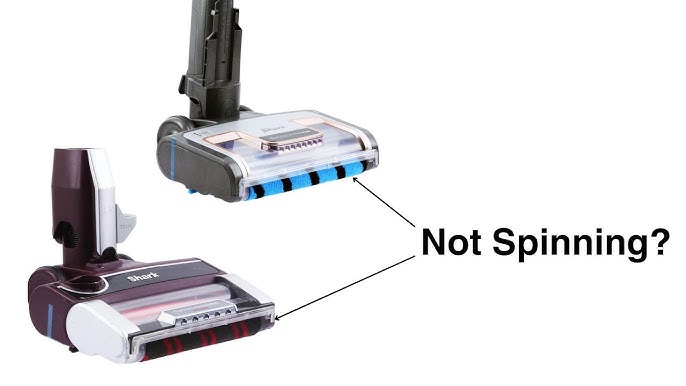
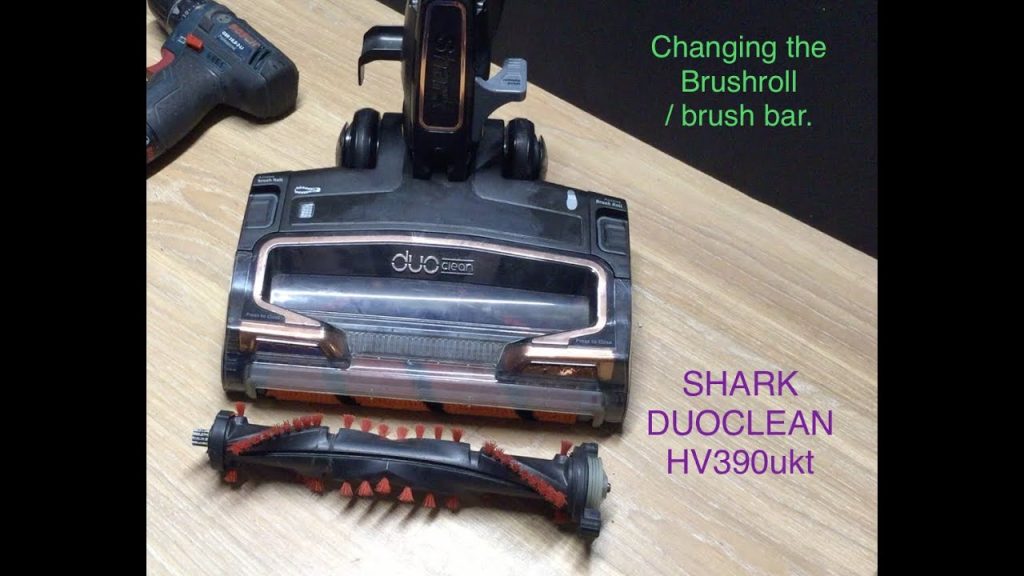
- Inspect the Brush Roll: Turn the vacuum over. Manually spin the brush roll. It should turn freely. Cut away any wound hair, strings, or carpet fibers wrapped around the ends or the roller itself.
- Perform a Hose Inspection: Detach the hose from both endsat the vacuum body and the wand or floor head. Shine a flashlight through it. Listen for debris rattling inside.
How to Clean and Maintain Filters
Filter maintenance is non-negotiable for bagless vacuums. A dirty filter is the #1 reason for a Shark Navigator not suctioning properly. Your model likely has two: a pre-motor foam filter and a post-motor HEPA filter.
- Locate and Remove: Consult your manual for exact locations (common in the dust cup compartment).
- Clean Thoroughly: Tap filters gently to dislodge dust. For a deep clean, rinse them under lukewarm water until the water runs clear. Never use soap or detergents.
- Dry Completely: This is critical. Let filters air-dry for a full 24-48 hours before reinstalling. A damp filter will choke airflow and can damage the motor.
Regular cleaning every 1-3 months prevents most suction power issues. If you’re looking for a model renowned for its filtration, explore our guide to the best Shark Navigator upright with HEPA filter for top-performing options.
Detailed Disassembly for Hose Clogs
If your hose inspection reveals a stubborn clog, you might need to disassemble it. This is a common missing step in other guides. For models like the NV352 or NV356, the hose often has a twist-lock mechanism.
- Detach the hose fully from the vacuum.
- Look for a seam near the middle. Firmly twist the two halves in opposite directions to unlock.
- Separate the halves to expose the interior. You can now push out debris with a long, flexible object like a broom handle or a specialized cleaning rod.
- Reassemble by aligning the arrows and twisting until they click.
Note: Forcing the hose can break plastic tabs. If you’re uncomfortable, seeking professional help is wise. For complex repairs, resources like iFixit’s comprehensive vacuum cleaner repair guides can be invaluable.
Inspecting and Clearing Attachment Clogs
Don’t forget the tools. Crevice tools, upholstery brushes, and the wand itself can harbor blockages. Detach each one and blow through it or use a pipe cleaner. A small blockage in a narrow attachment can be the single point of failure for the entire system.
When to Seek Professional Repair
You’ve checked all the common issues. Filters are clean, hoses are clear, the brush roll spins freely, but your Shark Navigator vacuum still has suction problems. It might be time for professional help. Consider it if:
- You hear a high-pitched whine or grinding noise from the motor.
- The motor smells like burning or gets excessively hot.
- There’s visible damage to the hose, body, or electrical components.
Also, remember your warranty. Self-repair on sealed units or motor issues can void the manufacturer’s warranty. Check your documentation for your specific Shark Navigator model number. If your vacuum is newer, a warranty claim might be your best first step.
Preventative Maintenance Tips
An ounce of prevention is worth a pound of cure, especially in vacuum maintenance. Incorporate these habits to avoid future suction power loss.
| Task | Frequency | Key Benefit |
|---|---|---|
| Empty dust cup | After every 1-2 uses | Prevents overfilling and maintains airflow |
| Clean brush roll | Weekly or as needed | Prevents tangles and ensures proper agitation |
| Check filters | Monthly | Ensures optimal airflow and motor protection |
| Inspect hose & attachments | Seasonally | Catches small clogs before they become big problems |
For those considering an upgrade or a different style, the best Shark Navigator Lift-Away vacuums offer versatile cleaning with a detachable canister, which can sometimes simplify hose and clog access.
Getting Back to Full Power
A Shark Navigator not suctioning properly is almost always a solvable problem. You now have a clear vacuum repair guide tailored for home appliance troubleshooting. Start simple. Empty the cup, clean the filters. Move to the brush roll and hose. This process resolves the vast majority of shark vacuum suction problems.
Regular maintenance is the true secret. It extends the life of your machine and keeps performance consistent. Your floors will thank you. And you’ll have conquered a common household headache with confidence.