Your Shark Apex vacuum is a cleaning powerhouse, but even the best machines need a little TLC. When the brush roll stops spinning or you hear a high-pitched whirring, it’s often a simple belt issue. Replacing it yourself is a straightforward, money-saving repair.
This guide walks you through the entire process. You’ll learn how to identify the correct part, perform the swap, and prevent future problems. For a reliable and affordable option, many users have success with JEDELEOS Replacement Belts, known for their durability and compatibility with many Shark Apex models.

Understanding Your Shark Apex Belt System
The drive belt is a small but critical component. It’s a loop of durable rubber that connects the vacuum’s motor to the brush roll. When the motor spins, the belt transfers that rotational energy, making the brush roll agitate and lift debris from your carpets. Over time, friction, heat, and debris cause the belt to stretch, wear down, or snap.
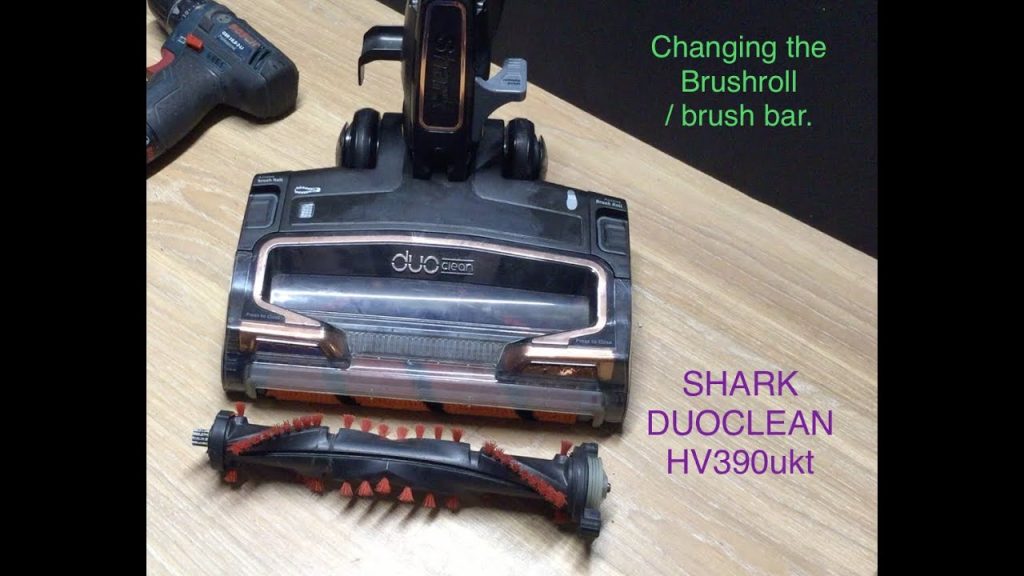
Different Shark Apex models use slightly different belt systems. The core function is the same, but size and attachment points vary. Your model could be a standard upright, a Shark Apex DuoClean with dual brush rolls, or a Shark Apex Powered Lift Away where the pod detaches. Knowing your specific model is the first step to a successful Shark Apex vacuum repair.
Sound Indicators of Belt Wear
Listen to your vacuum. Unusual sounds are early warnings. A high-pitched squealing or screeching often means the belt is slipping on the motor shaft or brush roll. A loud slapping or thumping noise can indicate the belt is damaged or something is tangled around the brush roll. If the motor hums but the brush doesn’t move, the belt has likely broken completely.
Identifying the Correct Replacement Belt
Using the wrong belt is a recipe for immediate failure. A belt that’s too tight can strain the motor; one that’s too loose will slip and not turn the brush.
Finding Your Model Number
Locate the Shark Apex vacuum model numbers. You’ll typically find a sticker or label on the back of the vacuum’s main body, inside the dust cup compartment, or on the bottom of the unit. It will start with “AZ” or “NV.” Write this number down.
Decoding the Part Number
With your model number, you can find the official Shark Apex belt part number. The quickest way is to visit the official Shark support website and use their parts lookup tool. Common part numbers include XFF350, XFF450, or LF240. These numbers ensure you get a belt with the exact correct size and tension for your model.
Belt material also matters. Most are made from a heat-resistant rubber compound designed for high-speed operation. A quality belt, like the JEDELEOS Replacement Belts, uses robust materials to resist stretching and snapping, giving you a longer expected belt lifespan under normal usetypically 6 to 12 months for an average household.
Step-by-Step Shark Apex Belt Installation Guide
How to replace Shark Apex belt? Follow these steps. You’ll need a screwdriver (usually Phillips head) and your new belt. Always unplug the vacuum before starting any repair.
- Access the Brush Roll Chamber: Turn your vacuum over. You’ll see a cover plate secured by screws or latches on the bottom. Remove the screws or release the latches to take off the cover.
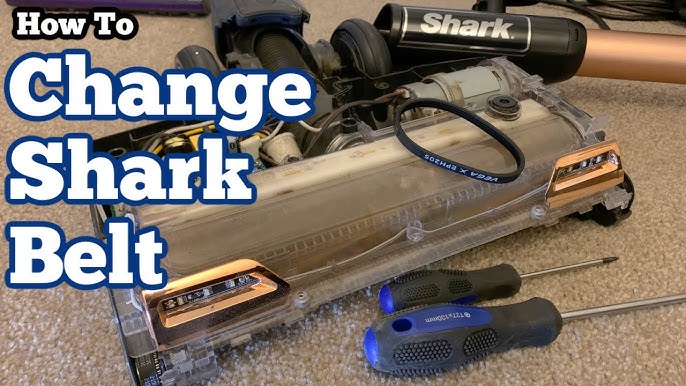
- Remove the Old Belt and Brush Roll: Clear any debris or hair wrapped around the brush roll ends. Pinch the old belt to remove it from the motor shaft and slide it off the brush roll. You may need to lift or slide the brush roll out of its housing.
- Clean the Area Thoroughly: This is a critical maintenance step. Use scissors to cut away any hair or threads deeply wound around the brush roll or its bearings. Wipe out the entire chamber. A clog here is a common reason a Shark Apex vacuum belt keeps coming off or breaks prematurely.
- Install the New Belt: Slide one end of the new belt onto the brush roll. Then, stretch the other loop onto the motor shaft (a small plastic post or metal spindle). Ensure the belt is seated properly in all grooves and isn’t twisted.
- Reinsert the Brush Roll and Replace the Cover: Carefully place the brush roll back into its bearings. Make sure it spins freely. Snap or screw the bottom cover plate back into place.
For a visual guide, many find step-by-step photo tutorials online incredibly helpful, especially for their first time.
Troubleshooting Common Belt Issues
Even after a replacement, problems can persist. Heres how to diagnose them.
Shark Apex Belt Keeps Breaking
If your Shark Apex belt keeps breaking every few weeks, the issue isn’t the beltit’s a symptom. The most common culprits are:
- A Clog: A blockage in the hose, wand, or airpath forces the motor to work harder, creating excess heat and strain on the belt.
- A Seized Brush Roll: Bearings on the brush roll can fail, preventing it from spinning. The motor then tries to turn against a locked object, snapping the belt instantly.
- Incorrect Installation: If the belt isn’t routed correctly or is forced onto the wrong path, it will fail quickly.
Shark Apex Vacuum Brush Not Spinning After Belt Replacement
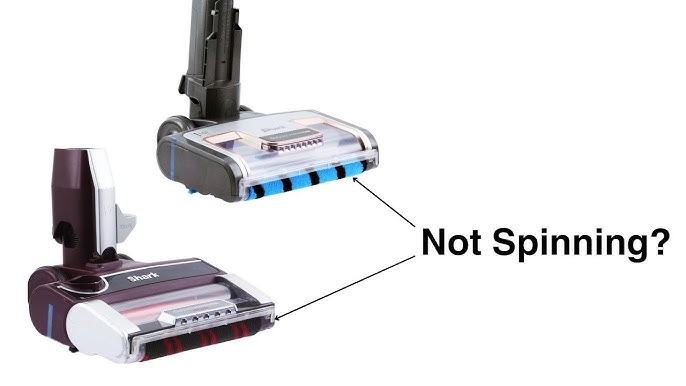
You put in a new belt, but nothing happens. First, double-check that the belt is actually on the motor shaftit can sometimes pop off during reassembly. If it’s seated, unplug the vacuum and manually try to spin the brush roll with your hand. If it doesn’t turn freely, you have a jam or a failed bearing. If it spins freely, the issue could be with the motor itself, which is a less common but more serious repair.
For homes with lots of long hair, frequent belt breaks can be a sign you need a different brush roll design. Consider looking into the best anti-wrap Shark vacuum for long hair to reduce maintenance headaches.
Maintenance Tips to Extend Belt Life
Proactive care prevents most belt problems. Integrate these habits into your cleaning routine.
Regular Cleaning is Key
Before or after every few uses, flip the vacuum and check the brush roll chamber. Remove hair and string immediately. This prevents wraps from migrating into the bearings and causing drag.
Mind Your Surfaces
Don’t run the powered brush roll on hard floors if your model has a setting to turn it off. The brush roll spinning against hard surfaces creates unnecessary friction and wear on the belt.
Know How Often to Change Shark Apex Vacuum Belt
There’s no single schedule. How often to change Shark Apex vacuum belt depends on your use. A home with thick carpets, pets, and high traffic might need a change every 6 months. A lighter-use apartment might go over a year. Let the performance and sound cues guide you, not just the calendar.
For seniors or anyone who prioritizes easy maintenance, choosing a model designed for simplicity can make a big difference. Our guide on the best lightweight Shark vacuum for seniors highlights models that are easier to handle and service.
Use Compatible, Quality Parts
Always seek out compatible belts designed for your specific model. Generic “one-size-fits-most” belts often lead to poor performance and shorter life. Investing in a known quality part saves money and frustration in the long run.
Replacing your Shark Apex vacuum belt is a simple yet empowering repair. You save a service call, extend the life of your machine, and get back to cleaning efficiently. Remember the core principles: identify the correct part using your model number, clean the brush roll housing thoroughly every time, and listen to your vacuumit will tell you what it needs. With the right belt and a few minutes of care, your Shark Apex will maintain its powerful suction and carpet-agitating performance for years to come.