Your Shark Navigator is a workhorse, designed to tackle daily messes with ease. But its performance hinges on one critical component: the brush roll. When hair, thread, and carpet fibers wrap around it, suction plummets and the motor strains. A clean brush roll is the difference between a vacuum that glides and one that drags.
Regular brush roller maintenance is non-negotiable. It protects your investment, ensures optimal cleaning, and can even prevent costly repairs. This guide walks you through the entire process, from identifying a clog to the final test run. For a particularly stubborn job, a dedicated cleaning tool can be a lifesaver. Many users find that a kit like the Tweruna 4 PCS, with its hooked tools, makes debris removal from tight spaces much easier.

Why Cleaning Your Shark Navigator Brush is Essential
Think of the brush roll as the heart of your vacuum’s agitation system. It beats against your carpet to loosen dirt. When it’s bound by hair wrap, it can’t spin freely. This causes a domino effect of problems you can’t ignore.
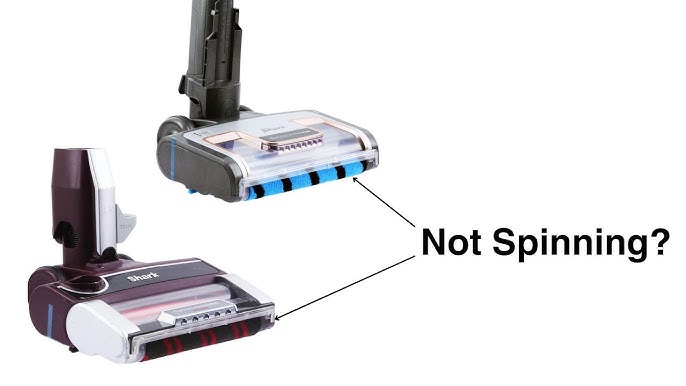
First, cleaning efficiency drops dramatically. The brush isn’t agitating, so dirt stays buried in the carpet pile. Second, the strain on the drive belt and motor increases, which can lead to premature failure. You might hear a high-pitched whine or notice the brush has stopped spinning altogethera common issue behind searches for “shark navigator brush won’t spin after cleaning.”
Finally, there are warranty considerations. While basic maintenance is expected, improper disassembly that causes damage might not be covered. Always consult your manual first. For complex repairs beyond a simple cleaning, resources like iFixit’s comprehensive vacuum cleaner repair guides can be invaluable.
Tools and Preparation Needed
You don’t need a professional toolkit. With a few household items, you’re ready to go. Gathering everything beforehand makes the process smooth and fast.
- Scissors or Seam Ripper: Essential for cutting through wound hair and threads.
- Flashlight or Good Light: You need to see the debris wrapped deep in the brush bristles.
- Clean Cloth or Paper Towels: For wiping down the brush roll and housing.
- Phillips Screwdriver: Most Shark Navigator models use Phillips screws to secure the baseplate.
- Flat Surface: A table or clear floor area to work.
Before you start, always unplug the vacuum. This is the most important safety step. Turn the vacuum over to access the brush roll chamber on the bottom.
Identifying Your Shark Navigator Model
While the core process is similar, details can vary. Common models like the NV352, NV356, and NV360 have slight differences in clip or screw placement. Check the label on the back or bottom of your vacuum. Knowing your exact model helps if you need to look up a specific diagram or order a replacement part, like an official Shark cleaning tool.
Step-by-Step Brush Roll Cleaning Guide
Follow these steps methodically. Rushing can lead to missed debris or reassembly issues.
Step 1: Access the Brush Roll Chamber
Flip your Shark Navigator over. You’ll see a large plate covering the brush roll. This is held by clips, screws, or a combination. For screw-on plates, use your Phillips screwdriver to remove them. For clip-on plates, press the release tabs (often near the wheels) and lift the plate off. Set all screws in a safe spot.
Step 2: Remove the Brush Roll
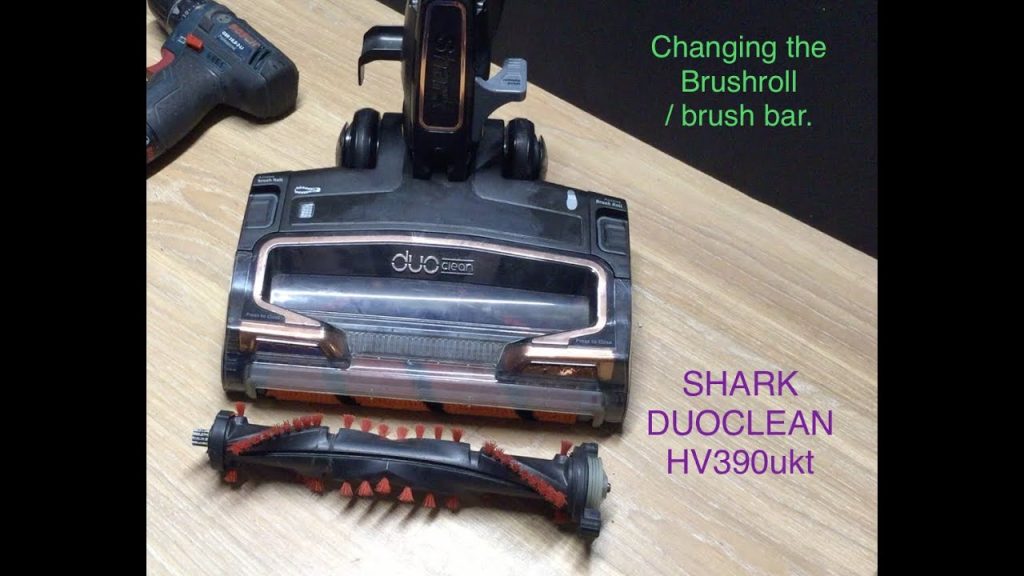
With the plate off, the brush roll is exposed. It’s held at each end by a plastic housing or bracket. Pinch the sides of these brackets to release the ends of the brush roll. You should then be able to lift the entire brush roll straight out. Some models may require you to slide it to one side first.
Step 3: The Deep Clean: Removing Hair and Debris
This is the main event. Hold the brush roll over a trash can. Use your scissors to carefully cut along the length of the brush, slicing through the hair and threads wound around the axle. Never cut the bristles themselves. Pull the cut material away.
For finer debris packed between the bristles, use the edge of your scissors or a seam ripper to pick it out. Rotate the brush and inspect the entire circumference. A clean brush should spin freely with no visible wraps. This is the core answer to “how to remove hair from shark navigator brush roll.”
Step 4: Clean the Vacuum Baseplate and Housing
Don’t just stop at the brush. While it’s out, inspect the cavity it came from. Use your flashlight to look for blockages in the air path or suction inlet. Clear any large debris by hand. Wipe down the interior with a dry cloth to remove dust and hair. Check the end caps where the brush roll sits for tangled hair as well.
Reassembling and Testing Your Vacuum
Proper reassembly is critical. A misaligned brush roll will cause noise and poor performance.
- Carefully place the brush roll back into its housing, ensuring the ends are fully seated in the brackets. You should hear a soft click.
- Replace the baseplate, aligning it perfectly with the vacuum body. Secure all clips or screws firmly.
- Turn the vacuum right-side up and plug it in.
Now for the test. Turn on the vacuum and listen. The brush should emit a steady, whirring sound. Place your hand near the base to feel the strong suction and agitation. Run it over a small section of carpet to confirm it’s picking up properly. If it’s not spinning, power off immediately, unplug, and re-check the brush roll installation.
Maintenance Tips to Prevent Future Buildup
Consistent care is easier than a major clean-out. Integrate these habits into your routine to keep your Shark Navigator running like new.
- Weekly Visual Check: Flip the vacuum quickly to see if obvious hair is building up.
- Monthly Deep Clean: Perform the full brush roll removal process at least once a month. This is the best practice for “how often should I clean my shark vacuum brush.”
- Pre-Clean High-Traffic Areas: Use a broom or dry mop to pick up large hair clumps before vacuuming, especially in bathrooms or bedrooms.
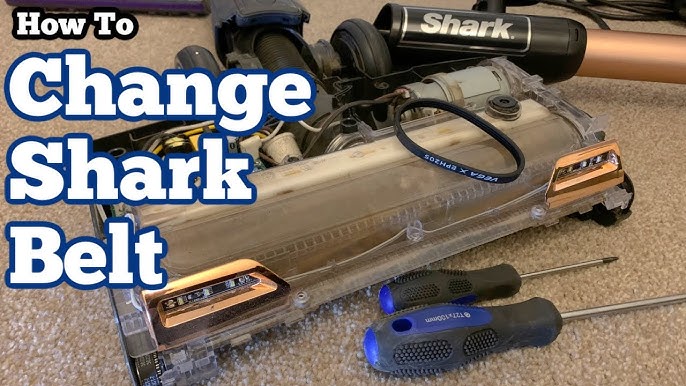
- Inspect the Belt: When you clean the brush, glance at the drive belt for signs of wear, stretching, or cracking.
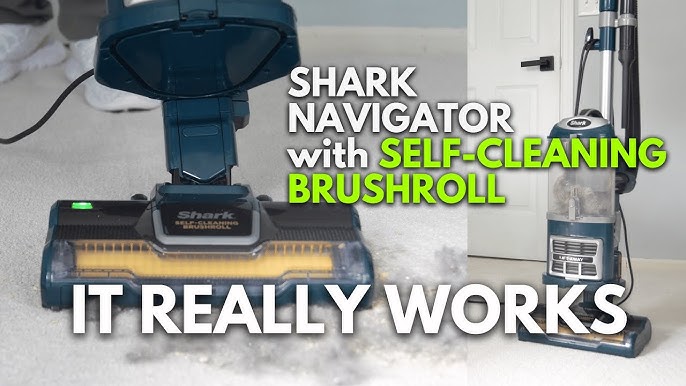
For homes with lots of pet hair or long human hair, consider a model designed for this challenge. Our guide to the best Shark vacuum with self-cleaning brushroll technology explores models that significantly reduce this manual maintenance. Similarly, if you’re looking for powerful suction and easy maneuvering on different floors, the top-rated Shark Navigator LiftAway vacuums offer versatile cleaning with the same need for diligent brush care.
When to Seek Professional Help
Most brush cleaning is straightforward DIY. However, if you hear grinding noises, smell burning, or the brush refuses to spin even after a perfect reassembly, the issue may be a worn belt or motor problem. At that point, contacting Shark customer support or a certified repair technician is your best move to protect your vacuum’s longevity.
A clean brush roll is the simplest form of preventive maintenance you can perform. It takes less than 15 minutes but adds years to your vacuum’s life and maintains its peak cleaning power. Make it a regular habit. Your carpets will look better, your vacuum will sound healthier, and you’ll have mastered one of the most essential home appliance care tasks. Now go put that refreshed Shark Navigator to work.