Your Shark pet vacuum is a workhorse for tackling fur, dander, and everyday messes. But when you hear the motor whirring and see no dirt disappearing, that loss of suction is incredibly frustrating. You’re not alonethis is one of the most common suction problems reported by owners. The good news? In most cases, you can fix it yourself in under 30 minutes.
Before you dive into troubleshooting, consider your tools. A clean, organized workspace helps. For this kind of maintenance, having a dedicated kit for cleaning vacuum parts can streamline the process. Many professionals recommend using the PetOde 2 Pieces cleaning tool set, which includes brushes perfect for scrubbing filters and dislodging stubborn clogs without damage.

Why Your Shark Pet Vacuum Loses Suction
At its core, a vacuum works by creating airflow. Anything that disrupts that smooth path of air will cause weak suction or a complete no suction scenario. For Shark pet vacuums, the culprits are almost always predictable: blockages from concentrated pet hair, full or dirty filters, or a tangled brushroll. The intense job of cleaning up after pets means these components need more frequent attention than with regular use.
It’s also worth noting a key difference between models like the Navigator and Rotator series. While the core principles are the same, hose access and filter locations can vary. Always consult your manual first. And a critical point: performing these steps yourself won’t void your warranty, but damaging parts through improper disassembly might.
Step 1: Check and Clear the Most Common Blockages
Start with the easiest, most accessible spots. A clogged vacuum often has a simple fix. Work from the top down to systematically find the obstruction.
Empty the Dust Cup Completely
This seems obvious, but it’s the first check. Don’t just glanceempty it into the trash and give it a firm tap. Sometimes debris compacts at the bottom, triggering the full bin indicator even when it looks empty. For cordless models, ensure the cup is clicked securely back into place; a poor seal kills suction instantly.
Inspect the Hose and Wand
Disconnect the hose from both the vacuum body and the handle. Shine a flashlight through it. Listen for a rattling sound if you suspect a blockage. A long, flexible object like a broom handle or a dedicated hose cleaning tool (like the one in the PetOde 2 Pieces set) can gently push obstructions through. Don’t force it, as you could cause damage.
Clear the Base and Air Path
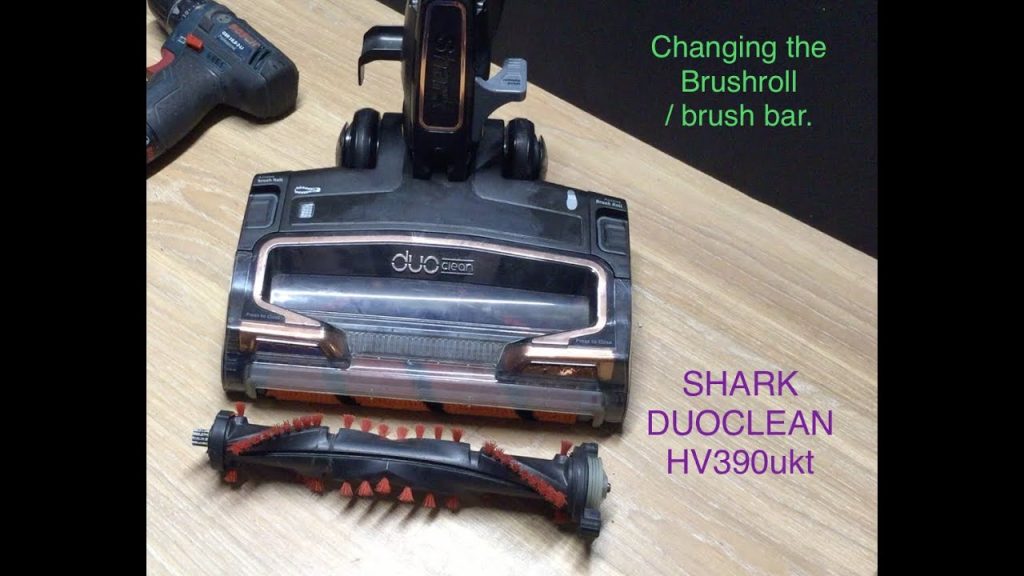
Turn the vacuum over. Manually spin the brushroll. Does it move freely? Use scissors to carefully cut away any hair, string, or carpet fibers wrapped tightly around the ends. Next, locate the suction opening at the basethis is a prime spot for a large clump of hair and dust to form a perfect plug. Remove it.
Step 2: Inspect and Clean the Filters
Dirty filters are the #1 cause of persistent weak suction. They restrict airflow to protect the motor, but when they’re saturated, performance plummets. Shark pet vacuums typically have two key filters.
The Pre-Motor Filter (Foam/Felt)
This is your first line of defense. It’s usually a foam or felt square located near the dust cup. Rinse it thoroughly under lukewarm water until the water runs clear. Gently press out excess waternever wring it. Let it air dry for a full 24 hours. Never reinstall a damp filter.
The HEPA Filter
This fine filter captures microscopic allergens. Tap it gently over a trash can to dislodge loose dust. Most are not washable; check your manual. If it’s washable, rinse it carefully without scrubbing and allow for a minimum of 24 hours to dry completely. If it’s not washable or looks gray and packed, it’s time for a replacement.
A regular shark vacuum maintenance schedule is key. For heavy pet hair homes, cleaning these filters monthly is not excessive. A clean filter is the simplest fix for a shark vacuum not picking up dirt effectively.
Step 3: Examine the Brushroll, Hose, and Attachments
Now, let’s look at the parts that actively gather debris. A thorough inspection here solves many cases of shark pet vacuum suction weak after cleaning pet hair.
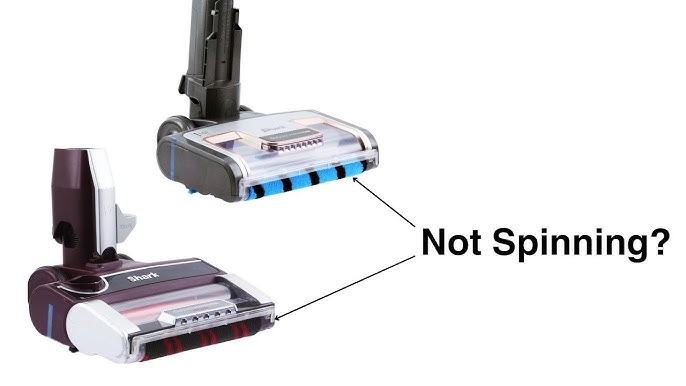
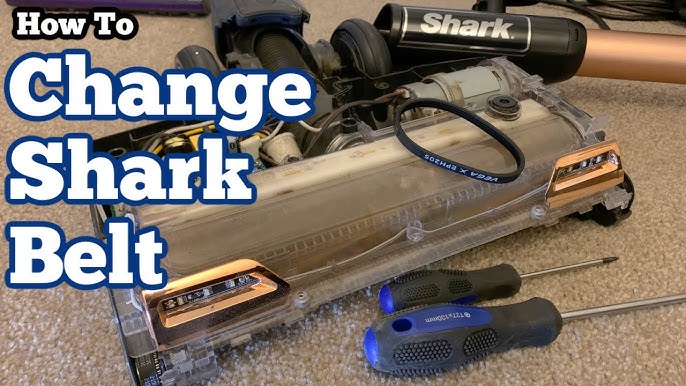
- The Brushroll: Beyond removing wrapped hair, check if it spins freely when the vacuum is on. If it’s jammed or the belt is broken, the vacuum may have reduced airflow. Listen for a grinding noise.
- Attachments: The motorized pet brush or crevice tool can get clogged too. Detach them and look through the openings. A common mistake is forgetting to check the connection port on the handle itself.
- Model-Specific Paths: On some uprights, there’s a small door or cover near the base for accessing the belt and brushroll chamber. Debris can hide here. Refer to your model’s guide.
Step 4: Reset and Test Your Vacuum
After completing all cleaning and checks, it’s time for a suction reset. This is especially important for cordless Shark vacuums.
- Ensure all parts are completely dry and reassembled correctly. Every seal must be tight.
- For corded models, simply plug it in. For many cordless models, you may need to perform a reset: remove the battery, press and hold the power button for 10-15 seconds, then reinsert the battery.
- Test on a bare floor with no attachments first. You should feel strong suction at the base. Then, reattach the hose and tools to test the full system.
If you see an error code (like E1, E2, etc.) at this stage, note it. These often point to specific sensor issues or blockages the system has detected, guiding your next step.
When to Consider Professional Help or Replacement
You’ve done all the shark vacuum troubleshooting. You’ve cleared blockages, cleaned filters, and checked the brushroll. If suction power is still absent, the issue may be internal.
- Motor Failure: If the vacuum sounds unusually high-pitched or quiet, the motor may be failing. This is a professional repair.
- Air Leak: A crack in the hose or a broken housing seal can be hard to spot. Listen for whistling sounds.
- It Might Be Time for an Upgrade: Vacuums have a lifespan. If your model is old, frequently clogging, and repairs cost more than half a new unit, consider a replacement. For homes with mixed surfaces, a versatile Shark vacuum for hardwood floors, carpet, and pet hair might be a wise investment. If pet hair is your primary battle, focus on models designed as the best Shark vacuum for pet hair and carpet.
For official parts, manuals, or to check warranty status, always start at the official SharkClean website.
Keeping Your Shark Running Strong
Preventing shark vacuum suction issues is easier than fixing them. Make it a habit to empty the dust cup after every major cleaning session. Check and clean the pre-motor filter every month. Give the brushroll a quick haircut every few weeks. This routine shark vacuum maintenance will extend the life of your machine dramatically.
Remember, a sudden loss of suction is almost always a message, not a malfunction. Your vacuum is telling you a critical airflow path is blocked. By methodically checking the dust cup, hose, filters, and brushroll, you can almost certainly fix shark vacuum suction yourself. Keep those filters dry, clear those hair wraps, and your trusted helper will be back to fighting pet hair with full force.