If you own a Shark vacuum, you know its powerful suction is a game-changer for pet hair and human strands alike. But that same power can lead to a frustrating problem: hair wrapped tightly around the brush roll. Its a common issue that can halt your cleaning session and degrade your vacuum’s performance over time.
Don’t worry, though. Cleaning hair from your Shark vacuum is a straightforward process. With the right approach, you can restore suction, protect your motor, and extend your machine’s life. For a particularly stubborn job, many find a dedicated tool like the Pikk-it Vacuum Hair removal tool incredibly helpful for slicing through dense tangles without damaging the components.
The Hair Challenge for Shark Vacuums
Why does hair seem to magnetically attract to your vacuum’s brush roll? It’s simple physics. The rotating brush pulls in debris and, with long strands, acts like a spool. This hair wrap creates drag, strains the motor, and can eventually stop the brush from spinning entirely. Regular vacuum maintenance to remove hair is non-negotiable for optimal vacuum performance.
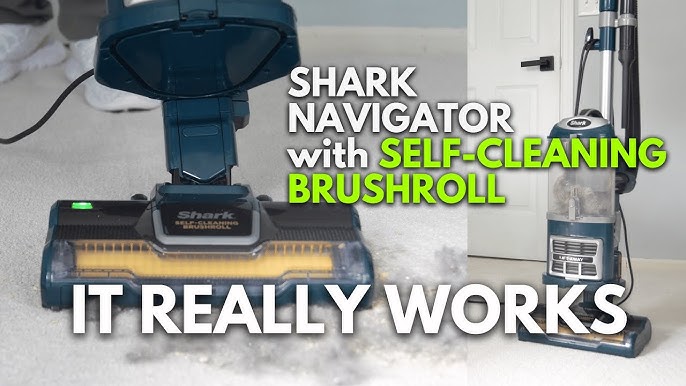
This challenge is universal across Shark’s lineup, from powerful Upright Vacuums like the Navigator and Rotator series to sleek Cordless and Stick Vacuums. While some newer models feature anti-hair wrap technology, no vacuum is completely immune, especially in homes with long-haired residents or shedding pets. If you’re specifically battling pet hair, exploring the best Shark robot vacuum for dog hair can offer a proactive cleaning partner.
Step-by-Step Guide to Removing Hair from the Brush Roll
This is the core of shark vacuum hair removal. Always unplug your vacuum or remove its battery before starting any maintenance.
1. Access the Brush Roll Chamber
For most Shark uprights, you’ll flip the vacuum over. Locate the latches or screws on the bottom plate covering the brush roll. Release them to remove the plate. For cordless stick models, you often detach the pod or head from the stick and look for a similar release mechanism. Consult your specific model’s manual (always a good idea) if you’re unsure.
2. Remove the Brush Roll
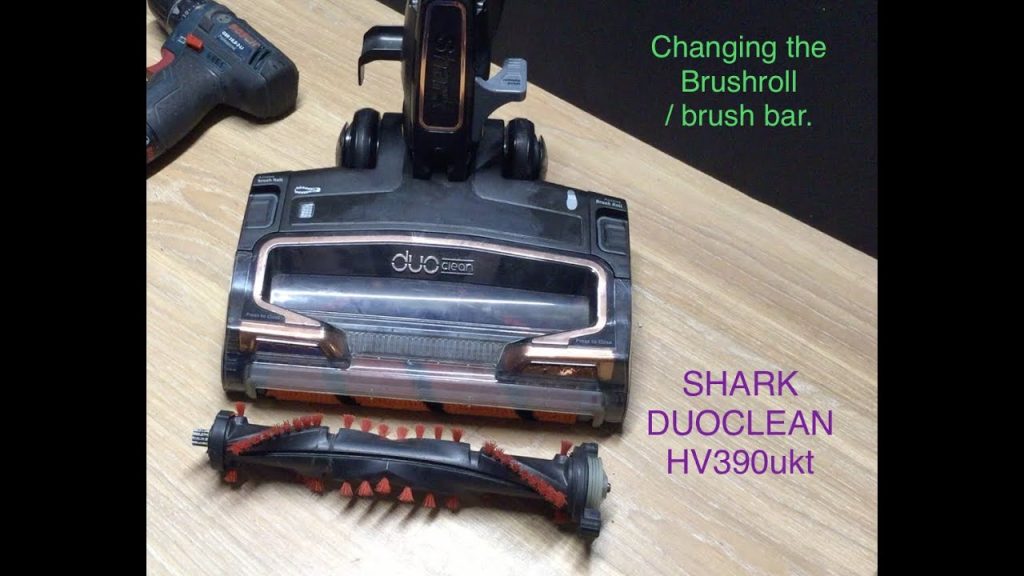
Once the plate is off, the brush roll will be exposed. It’s usually held in place by end caps or brackets. Gently press or slide these to release the brush roll from its housing. You should be able to lift it straight out.
3. The Main Event: Clean Brush Roll
Now, tackle the hair. A seam ripper, small scissors, or a dedicated cleaning tool like the Pikk-it is perfect for this. Carefully slide the blade under the wrapped hair and cut through the strands. Avoid cutting the brush roll bristles or the belt. Pull the cut hair away. Rotate the roll and repeat until all hair is removed.
Pro Tip: Take a moment to also clear any debris lodged between the bristles. This ensures a thorough brushroll cleaning.
4. Inspect and Reassemble
Before putting it back, inspect the brush roll for damage. Check that it spins freely by hand. Look at the belt (if your model has one) for signs of wear or stretching. Clear any remaining hair from the empty chamber. Then, simply reverse your steps: place the brush roll back, secure the end caps, and snap the bottom plate into place.
How to Clear Hair from Hoses and Other Components
Hair doesn’t just stop at the brush roll. It can travel and create clogs, especially in the hose and wand. If suction seems weak even after cleaning the brush, you likely need to unclog vacuum pathways.
Clearing the Hose and Wand
Detach the hose and wand from the main body. Shine a flashlight through one end to check for a visible blockage. For the best way to clean hair from shark vacuum hose, try these methods:
- Use a Long, Flexible Object: A plumbing snake, a straightened coat hanger (with the end bent into a small hook), or even a broom handle can be gently fed through to dislodge clogs.
- The Gravity Method: Dangle the hose and tap it firmly along its length. Sometimes, a persistent wiggle is all it takes to shake hair loose.
- Inspect Connections: Hair often collects at joints and bends. Disassemble the wand and check each connection point.
Don’t Forget the Filters and Dust Cup
Hair and fine dust can bypass other components and clog your filters, which is a major cause of lost suction. Regularly remove and rinse the filters (only when completely dry!) according to Shark’s guidelines. Empty the dust cup frequently, and give it a rinse to prevent a film of hair and dust from building up inside. This routine is central to effective shark vacuum maintenance.
Proactive Tips to Prevent Future Hair Buildup
Stopping the problem before it starts is the best strategy. Heres how to prevent hair tangles and avoid wondering, “why does my shark vacuum keep getting hair wrapped?“
- Vacuum More Frequently: It sounds obvious, but less hair on the floor per session means less can wrap at once.
- Use the Right Tools: Employ the crevice tool or upholstery tool for hair on stairs and furniture before using the main brush head.
- Consider an Upgrade: If hair is a constant battle, Shark has invested heavily in anti-hair wrap technology. Models like the Vertex or specific Rotator variants are engineered to reduce this issue significantly. Researching the best anti-wrap Shark vacuum for long hair could be a worthwhile long-term solution.
- Pre-Vacuum Care: For pet owners, regular brushing and using a rubber broom to gather hair into piles can drastically reduce the load on your vacuum.
Troubleshooting: When Hair Removal Doesn’t Solve the Problem
You’ve cleaned everything, but performance is still poor. What now? Let’s troubleshoot.
Persistent Loss of Suction
If you’ve cleared the brush, hose, and filters, the issue might be deeper. Check the pre-motor filter if your model has one. Ensure all parts are clicked together securely; even a small gap can break the suction seal. Listen for unusual sounds from the motora high-pitched whine can indicate a blockage, while a grinding noise might signal a more serious mechanical issue.
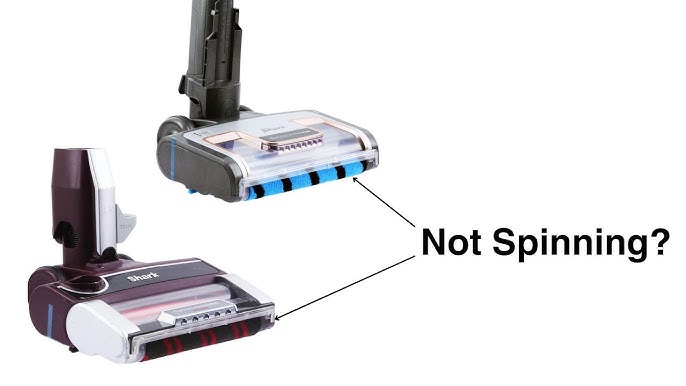
The Brush Roll Still Won’t Spin
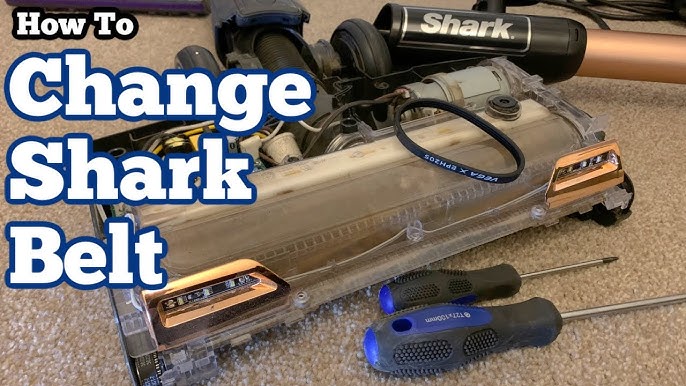
You removed the hair, but it’s dead. First, double-check that the brush roll is correctly seated and can spin freely by hand. If it is, the drive belt is likely broken or stretched. Replacing a belt is a common and usually simple fix. Consult the official SharkClean website for genuine replacement parts and model-specific guides.
A Note on Warranty and Brand Comparison
Always follow Shark’s recommended cleaning procedures. Using improper tools or excessive force can void your warranty. Speaking of brands, how does Shark handle hair compared to, say, Dyson? Both face similar challenges. Dyson often uses a different brush roll design, but the fundamental issue of hair wrap exists across the industry. Shark’s newer anti-hair wrap and powerful cyclonic technology in models like the Vertex make it a strong competitor, often at a more accessible price point. The “best” choice often comes down to your specific model’s features and your maintenance habits.
Keeping your Shark vacuum free of hair isn’t just a choreit’s essential care. A clean vacuum is a powerful, efficient, and long-lasting vacuum. By following these steps to regularly clean shark vacuum brush components and clear clogs, you protect your investment. Remember, the few minutes spent on maintenance after each major cleaning session will save you from the frustration of a full breakdown later. Your vacuum will thank you with peak performance on every pass.